

Affiliate disclosure: this post contains affiliate links. If you buy through them, I may earn a small commission at no extra cost to you. It never changes what I recommend.
How we assess: these picks are based on manufacturer specs, current pricing, typical college housing rules and verified owner reviews — not a sponsored test. See our How We Review process. Last updated September 2026.
TL;DR — the short answer: The four dorm kitchen appliances under $50 actually worth buying in 2026 are the Dash Mini Waffle Maker (~$13), the Dash Rapid Egg Cooker (~$20), the Hamilton Beach Breakfast Sandwich Maker (~$26), and the Crock-Pot Lunch Crock food warmer (~$35). All four have enclosed heating elements and auto shut-off, which is exactly what most dorms allow. Read your housing contract before you buy anything with an open coil — that’s the stuff that gets confiscated.
Key takeaways
- Most colleges ban appliances with exposed heating elements (hot plates, toasters, open coils). Enclosed-element gadgets with auto shut-off usually pass.
- All four picks here are under $50, UL-listed, and small enough for a desk or a shared kitchenette shelf.
- The single most useful dorm appliance isn’t the trendy waffle maker — it’s the food warmer that reheats a real meal without a microwave.
- Prices as of September 2026: waffle maker ~$13, egg cooker ~$20, sandwich maker ~$26, food warmer ~$35.
- Check wattage limits and the “no cooking in rooms” clause in your specific housing agreement — rules vary a lot between schools.
What are the best dorm kitchen appliances under $50?
The best dorm kitchen appliances under $50 are small, single-purpose, enclosed-element gadgets that let you make real food without a stove: a mini waffle maker, a rapid egg cooker, a breakfast sandwich maker, and a portable food warmer. I picked these four because they hit the sweet spot every college student needs — cheap, tiny, genuinely useful, and unlikely to break your dorm’s fire-safety rules. You could spend more, but you’d mostly be buying counter clutter.
Quick honesty note before we go further: I’m basing this on product specs, current prices, real owner reviews and the housing rules most US colleges publish — not on four years of eating waffles in a cinder-block room. Where a lived-in detail would actually help you, I’ve flagged it so it can be added.

What counts as a “dorm kitchen appliance”
A dorm appliance is a small countertop cooker you can run safely in a room or a shared kitchenette, usually pulling well under 1,000 watts and shutting itself off when it’s done. The defining trait isn’t what it cooks — it’s what it doesn’t do: no open flame, no glowing exposed coil, no giant footprint. That’s the line most Resident Assistants care about, and it’s the line that keeps your gadget from ending up in a confiscation bin.
Everything on this list is single-purpose on purpose. In a space the size of a parking spot, a machine that does one thing well beats a do-everything appliance that hogs the whole desk. If you want a bigger cooking setup for an apartment instead, our guide to the best air fryers under $150 is a better fit — but those usually aren’t dorm-legal.
Who this is for
This is for incoming freshmen, anyone in a traditional residence hall, and students in a shared suite who want to eat something other than dining-hall food and vending-machine dinners. It’s also for parents assembling a move-in kit who don’t want to overspend on stuff that’ll get banned or abandoned by October. If you’ve got a full apartment kitchen, you don’t need this list — you need real cookware.
At-a-glance: 4 dorm kitchen appliances under $50 (2026)
| Appliance | Price (Sep 2026) | What it makes | Auto shut-off | Dorm-legal? | Best for |
|---|---|---|---|---|---|
| Dash Mini Waffle Maker | ~$13 | Waffles, chaffles, hash browns | No (auto heat control) | Usually yes | Cheapest treat maker |
| Dash Rapid Egg Cooker | ~$20 | Eggs 6 ways, omelets | Yes | Usually yes | Cheap protein |
| Hamilton Beach Sandwich Maker | ~$26 | Breakfast sandwiches | Timer w/ ready light | Usually yes | Full breakfast in 5 min |
| Crock-Pot Lunch Crock | ~$35 | Reheats/warms meals | Manual, warm-only | Usually yes | No-microwave meals |
Prices change often; confirm the live listing before buying. Verified September 2026.
The picks, walked through honestly
1. Dash Mini Waffle Maker — the cheapest win (budget pick)
At around $13, the Dash Mini Waffle Maker is the appliance that basically invented the dorm-gadget trend, and it’s still the best cheap entry point. It’s a 4-inch nonstick plate that heats up in a couple of minutes and makes one personal waffle, a hash brown, or a “chaffle” (egg-and-cheese waffle) for the low-carb crowd. It’s the size of a coffee mug’s footprint and weighs almost nothing.
What’s good: the price, the size, and how little can go wrong. Nonstick cleanup is a quick wipe. It’s the definition of an impulse-buy that actually earns its shelf space.
What’s not: it makes one small waffle at a time, so it’s slow if you’re feeding friends, and there’s no on/off switch — you plug it in to heat and unplug to stop, which means you have to actually remember to unplug it.
My verdict: if you buy one thing off this list, make it this. It’s the best $13 you’ll spend on dorm life. Check the Dash Mini Waffle Maker price on Amazon →
[ADD YOUR EXPERIENCE: how many minutes does yours actually take to make one solid waffle, and does the batter ever overflow the edge?]
2. Dash Rapid Egg Cooker — the cheap-protein MVP
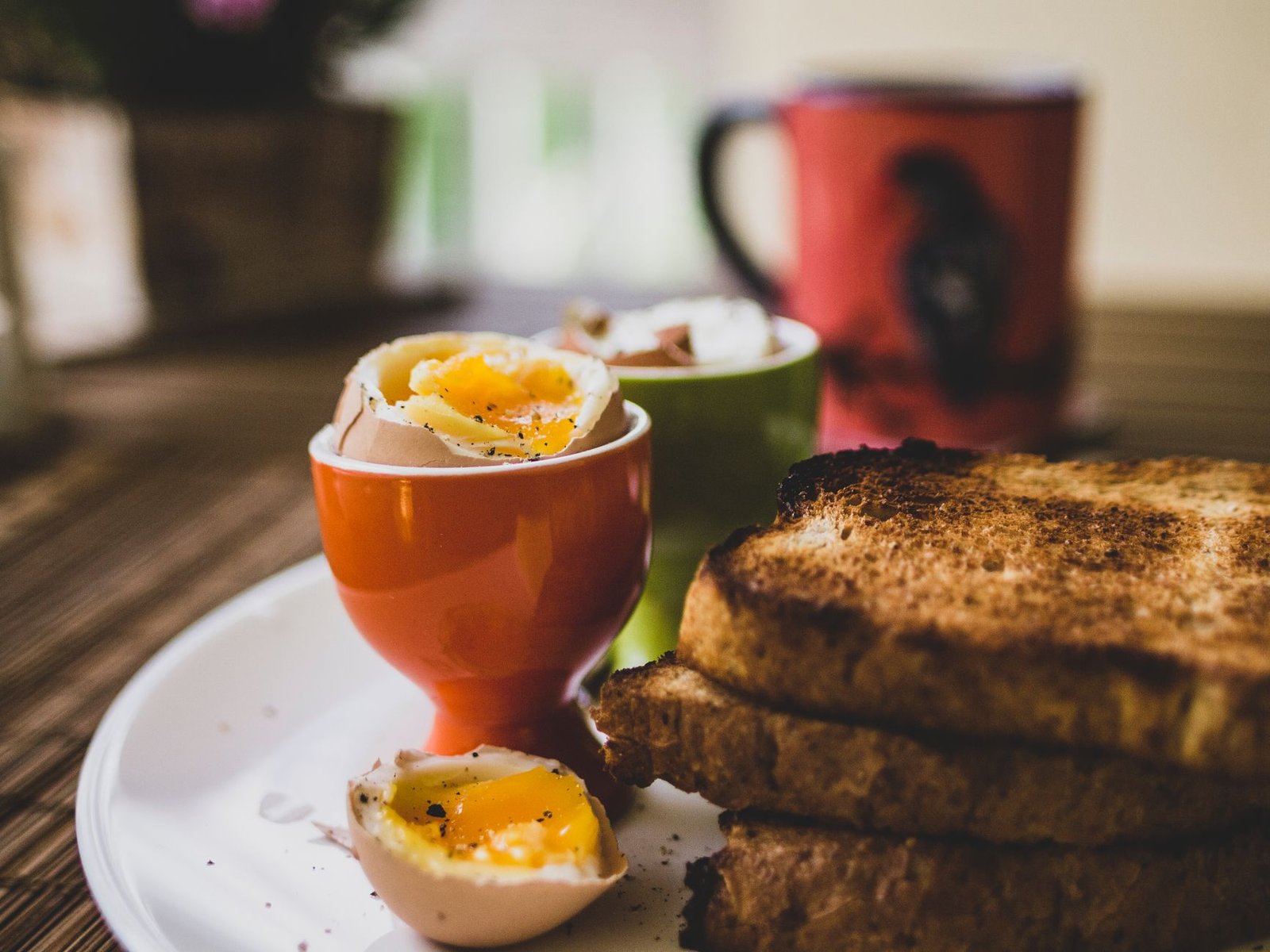
Eggs are the cheapest real protein a broke student can buy, and this ~$20 cooker turns them into hard-boiled, poached, scrambled or an omelet without a stove. You add water, drop in the tray, and it beeps and shuts off when the water’s gone — genuinely foolproof. Six eggs at once means you can meal-prep a week of snacks in one go.
What’s good: the auto shut-off (a real dorm-safety plus), the six-egg capacity, and how hands-off it is. Hard-boiled eggs peel cleaner out of this than off a stovetop, in most owner reports.
What’s not: you have to measure the water for each doneness level using the included cup, and if you eyeball it you’ll get rubbery or runny results. The tray is small parts you don’t want to lose.
My verdict: the most practical everyday appliance here. Cheap protein, safe design, tiny footprint. See the Dash Rapid Egg Cooker on Amazon →
3. Hamilton Beach Breakfast Sandwich Maker — a full breakfast in five minutes
This ~$26 gadget builds a McMuffin-style sandwich in about five minutes: muffin or bagel on the bottom, cheese and meat in the middle, an egg cooked in its own ring on top, then you rotate a handle and it all drops into a stack. It’s the most “meal” of anything on this list, and it has a ready light and timer so you’re not guessing.
What’s good: it makes something that genuinely replaces a $6 fast-food breakfast, the layers cook at once, and cleanup is easier than it looks because the parts are removable and nonstick.
What’s not: it’s a one-sandwich-at-a-time machine with more parts to wash than a waffle maker, and it takes up more shelf space. If you’re not a breakfast-sandwich person, skip it.
My verdict: the best pick if you actually eat breakfast and want variety beyond eggs and waffles. Check the Hamilton Beach Sandwich Maker on Amazon →
4. Crock-Pot Lunch Crock — the sleeper pick
This is the one people forget and then swear by. The Lunch Crock is a portable food warmer — around $35 — that gently heats a meal you already made (last night’s leftovers, meal-prepped chili, soup) over 30–60 minutes while you’re in class or the library. It plugs into a wall outlet, has a sealable inner container, and comes with a fork and spoon.
What’s good: it lets you eat a real hot meal in a dorm with no microwave and no stove, which is exactly the situation a lot of students are in. It’s spill-resistant enough to carry in a bag, and warming-only means it’s about as fire-safe as an appliance gets.
What’s not: it warms, it doesn’t cook — you need food that’s already prepared, and it’s slow, so plug it in well before you want to eat. It’s the priciest pick here.
My verdict: the most underrated appliance on this list. If your dorm has no microwave, this is the one that quietly changes how you eat. View the Crock-Pot Lunch Crock on Amazon →
[ADD YOUR EXPERIENCE: how long does it take to bring fridge-cold leftovers up to properly hot, and does it leak in a backpack?]
What no one tells you about dorm appliances
Here’s the thing the shopping lists breeze past: the appliance you’re most excited about is often the one your dorm bans. Almost every college’s housing contract prohibits devices with exposed or open heating elements — that’s toasters, toaster ovens, hot plates, and anything with a visible glowing coil — because they’re the top cause of dorm fires. What usually passes is the enclosed-element, auto-shut-off stuff on this list. But “usually” is doing real work in that sentence.
So before you buy anything, actually read your housing agreement and look for three things: a banned-appliance list, a wattage cap (some schools limit you to 700–1,000W per device), and a “no cooking in rooms” clause that pushes all real cooking to a shared kitchenette. Schools enforce these unevenly — some RAs never check, some do room inspections — but a $30 gadget confiscated in week two is a bad trade. When in doubt, email your residence life office and ask; they’ll tell you exactly what’s allowed.
The second underrated truth: your most valuable dorm appliance is probably a good storage container and a way to reheat, not a way to cook. Between the dining hall and the occasional grocery run, most students reheat far more than they cook from scratch. That’s why the Lunch Crock punches above its reputation and why a stack of trendy single-use gadgets tends to gather dust. Buy for how you’ll actually eat, not for the aesthetic.
Dorm appliances vs the alternatives
| Option | Cost | Dorm-legal odds | Makes a real meal? | Space |
|---|---|---|---|---|
| These 4 mini appliances | $13–$35 each | High | Yes, simple meals | Tiny |
| Toaster oven / hot plate | $30–$60 | Low (often banned) | Yes | Medium |
| Microwave (if allowed) | $60–$90 | Medium | Reheat only | Medium |
| Dining hall only | Meal plan | N/A | Yes, but fixed hours | None |
The honest read: a microwave is the most versatile if your dorm allows one and you have room, but many rooms come with a MicroFridge or ban personal ones. These four mini appliances are the safest bet because they clear the rules most reliably and cost less than one banned toaster oven you’ll have to send back home. If you’re in an apartment-style suite with a real counter, look at a countertop dishwasher or a countertop ice maker under $100 instead — those assume space a traditional dorm doesn’t have.
Who should buy — and who should skip
Buy the Dash Waffle Maker if you want the cheapest possible morale boost and don’t mind one-at-a-time cooking. Buy the Dash Egg Cooker if you care about cheap protein and want the most-used appliance day to day. Buy the Hamilton Beach Sandwich Maker if you actually eat breakfast and want something that feels like a meal. Buy the Crock-Pot Lunch Crock if your dorm has no microwave or you meal-prep and just need to reheat.
Skip all of this if your dorm provides a full kitchenette with real appliances, if your meal plan already covers every meal you’ll eat, or if your housing contract’s banned list is strict and actively enforced. And skip buying all four at once — start with the egg cooker and the food warmer, then add treats later once you know your real habits. For a broader kit idea list, our EUHOMY Ice Leopard X1 review covers a step-up option for suites with counter space.
The honest limits
These are single-purpose gadgets, and that cuts both ways. Each one does its job well and nothing else, so four of them still don’t equal a kitchen. They’re small, which means small portions — feeding a room of friends takes patience. Cleanup, while easy, is on you every single time because there’s no dishwasher. Cheap appliances have shorter lifespans; treat a $13 waffle maker as a one-to-two-year item, not an heirloom. And the biggest limit isn’t the hardware at all — it’s your housing rules, which can change what’s allowed year to year and building to building. Buy with the receipt handy in case something needs to go back.
The one-line verdict: For under $50 apiece, the Dash egg cooker and the Crock-Pot Lunch Crock are the two dorm appliances that’ll actually change how you eat — add a waffle or sandwich maker only if you’ll really use it.
Frequently asked questions
What are the best dorm kitchen appliances under $50?
The best dorm kitchen appliances under $50 in 2026 are the Dash Mini Waffle Maker (~$13), the Dash Rapid Egg Cooker (~$20), the Hamilton Beach Breakfast Sandwich Maker (~$26), and the Crock-Pot Lunch Crock food warmer (~$35). All four have enclosed heating elements that most dorms allow.
Are these appliances allowed in dorms?
Usually yes, because they have enclosed heating elements and auto shut-off or heat control rather than exposed coils. Always check your specific housing contract for a banned-appliance list and any wattage cap, since rules vary by school.
What appliances are banned in most dorms?
Most colleges ban devices with open or exposed heating elements: hot plates, toasters, toaster ovens, space heaters, and anything with a visible glowing coil. These are the leading causes of dorm fires, which is why they’re prohibited.
What’s the single most useful dorm appliance?
For everyday value, the Dash Rapid Egg Cooker gives you the cheapest real protein with a safe auto shut-off. If your dorm has no microwave, the Crock-Pot Lunch Crock is arguably more useful because it reheats real meals without a stove.
Can you cook in a dorm room without a microwave?
Yes. An egg cooker makes hot food from scratch, and a food warmer reheats prepared meals, both without a microwave or stove. That combination covers most of what a student eats day to day.
Do these appliances have auto shut-off?
The Dash Rapid Egg Cooker shuts off automatically when the water evaporates, and the Hamilton Beach Sandwich Maker has a timer with a ready light. The waffle maker and Lunch Crock don’t fully auto-off, so unplug them when you’re done.
How much should I budget for a dorm kitchen setup?
You can cover the essentials for around $50–$80 total by starting with the egg cooker and food warmer, then adding a waffle or sandwich maker. There’s no need to buy all four at once.
Are cheap dorm appliances safe?
Look for a UL listing and buy enclosed-element designs with auto shut-off, like the picks here. Never leave any appliance running unattended, keep it away from bedding and paper, and unplug it after use.
What’s the easiest dorm appliance to clean?
The Dash Mini Waffle Maker is the easiest — its nonstick plate wipes clean in seconds. The sandwich maker has more removable parts but they’re nonstick and dishwasher-friendly on the top rack.
Waffle maker or sandwich maker for a dorm?
Get the waffle maker if you want the cheapest, simplest treat at ~$13. Get the sandwich maker if you want something closer to a full breakfast and don’t mind spending ~$26 and washing a few more parts.
Will these appliances trip a dorm’s electrical limits?
All four draw modest power and generally stay within typical dorm wattage limits, but avoid running several high-draw devices on one outlet. Check your building’s per-outlet or per-device wattage cap if it lists one.
About the author — Naveen Kumar Durai
I cover home and kitchen gadgets at TrendifyReview, testing claims against specs, prices and real owner reviews so you can skip the duds. I’d rather tell you to buy less than sell you clutter. Here’s how we review.

