

TrendifyReview earns a commission if you buy through links on this page. It never changes a verdict.
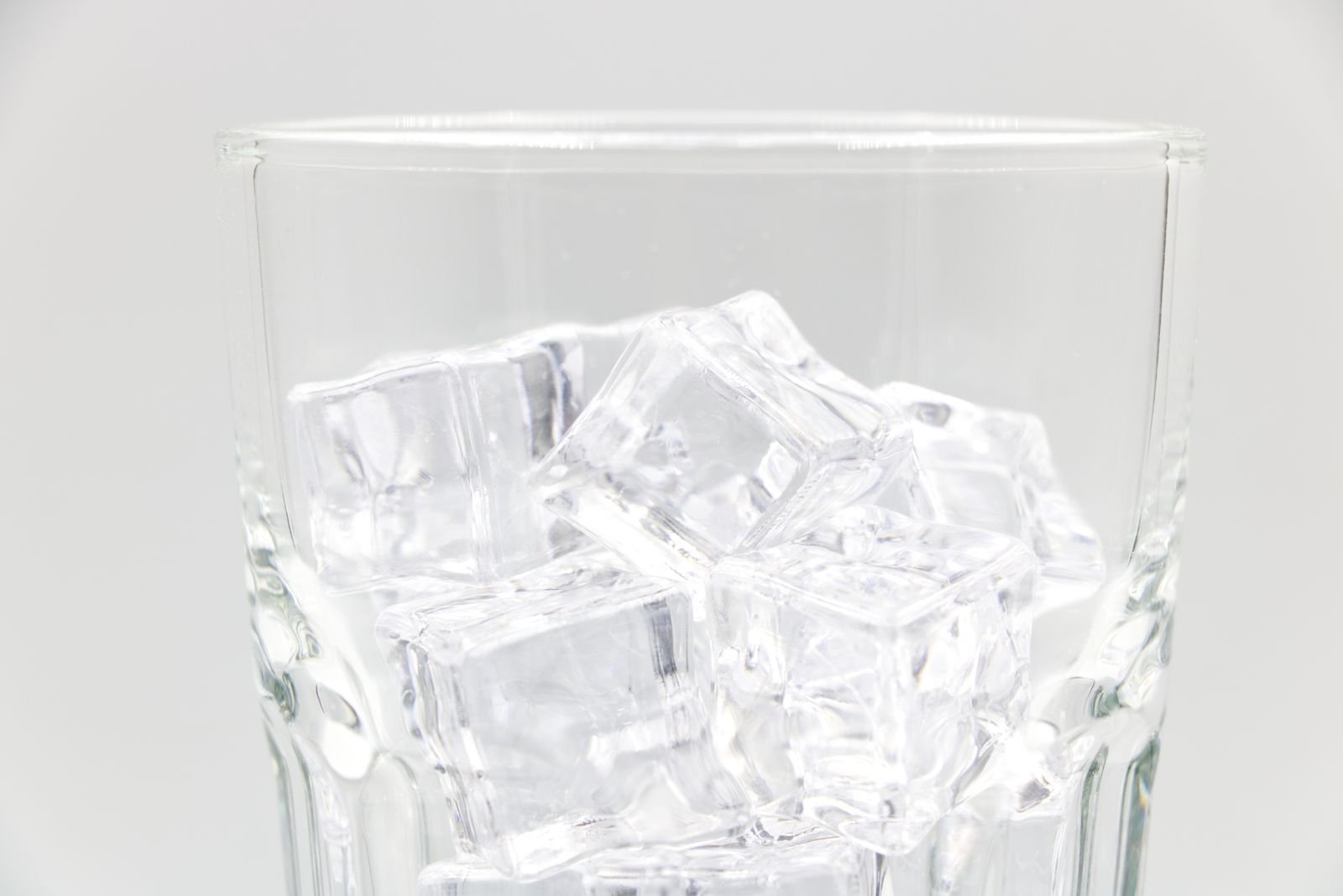
Here is the dirty secret nobody prints on the box: a countertop ice maker that keeps ice frozen longer does not really exist, at least not the way you are picturing it. Every portable machine makes ice fast and then lets it melt, because the bin is a plastic basket sitting on top of a warm compressor, not a freezer. Walk away for two hours and you come back to slush and a puddle. But there is real nuance here. A small group of 2026 machines fight the melt with genuine insulation, one of them holds a batch for four hours with the power off, and there is a zero-dollar routine that beats every machine on this page. This guide sorts the marketing from the physics.
How we assess: this review is based on manufacturer specs, official CES 2026 announcements, retailer listings, and verified owner reports, not hands-on lab testing. Last updated September 2026.
Is there a countertop ice maker that keeps ice frozen longer?
Yes, but only within limits. No countertop model has a refrigerated bin, so nothing holds ice indefinitely. Insulated-bin machines keep solid ice for roughly 3 to 4 hours instead of the usual 1 to 2. The EUHOMY Ice Leopard X1 (around $150, launched April 2026) leads with a metal, insulated bucket rated for four hours with no power. The Silonn 26 lb (about $70) is the budget pick if you would rather spend the difference on a cooler. And the trick that beats all of them costs nothing: pre-chill the bin and move finished ice into your freezer.
Quick picks: the ice makers that hold ice the longest in 2026
- Best overall retention: EUHOMY Ice Leopard X1 — insulated metal bucket, ~4 hours off-power, ice in about 5 minutes. Roughly $150.
- Best under $100: Silonn 26 lb Countertop Ice Maker — no real insulation, but reliable, cheap, and easy to pair with a cooler. About $70.
- Best if you want ice that resists melting in the glass: GE Profile Opal 2.0 nugget maker — chewable nugget ice, refrigerated storage on the plumbed version. Around $520–$550.
- Best free upgrade: your existing freezer. Scoop each batch into a lidded container and you have days of retention for $0.
What “keeps ice frozen longer” actually means
Two very different problems hide inside that search phrase, and mixing them up is why people buy the wrong machine.
The first is bin retention: how long ice survives inside the machine after a batch finishes. On a standard $70–$90 unit, the answer is brutal. The compressor and the surrounding air sit well above freezing, the bin is thin plastic, and there is no cold air being pumped into it. Cubes start fusing and melting within 30 to 60 minutes, and after two hours you have a slurry the machine helpfully recycles back into the water tank to make the next batch. That recycling is the one saving grace, so no water is wasted, but the ice you wanted is gone.
The second is in-glass melt: how slowly ice melts once it is in your drink. That has nothing to do with the machine’s bin and everything to do with the shape of the ice. Dense, clear, large-format cubes and slow-melt spheres last far longer in a glass than the hollow bullet cubes most portables produce. This is why EUHOMY, at CES 2026, showed off separate Rock Pro Sphere and Rock Plus Square machines aimed squarely at cocktail drinkers, not just the fast-bullet Leopard X1.
So when a listing promises ice that “stays frozen,” ask which problem it is solving. An insulated bin buys you a few hours before a party. Large-format ice buys you a slower melt in the glass. Almost nothing on the countertop market does both at once.
Who this is for
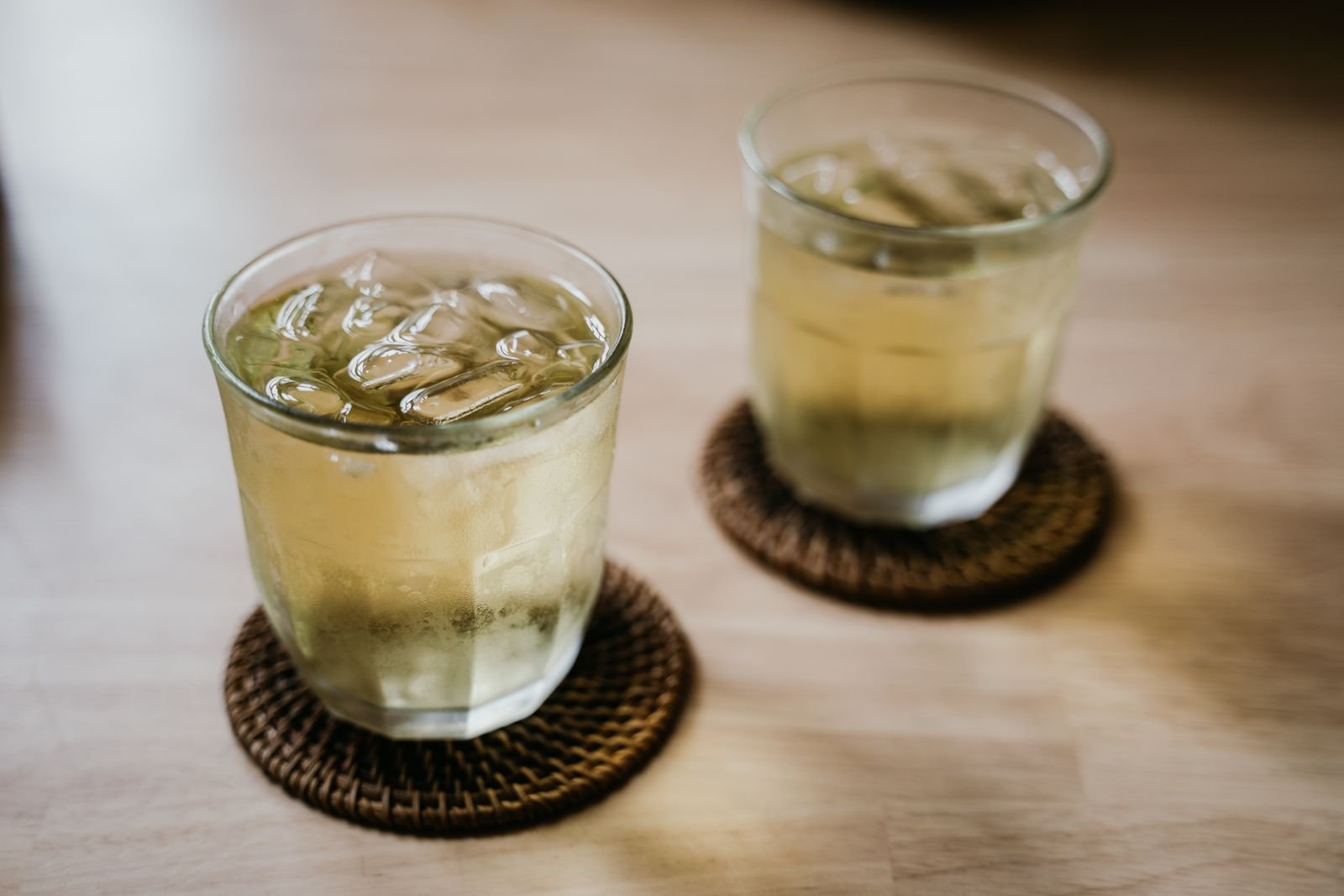
Buy an insulated-bin countertop maker if you host, tailgate, or run a home bar and you need a decent stash ready when guests arrive, not slush. It is also the right call for RVs, boats, and offices where a freezer is small or shared. If you just want a steady trickle of ice for daily iced coffee and you own a normal freezer, honestly, you do not need retention at all. Make a batch, dump it in a freezer container, repeat. You will spend less and get better results than any $150 machine promises.
At-a-glance: retention, ice, and price
| Model | Bin insulation | Off-power retention | Ice type | First ice | Price (Sep 2026) |
|---|---|---|---|---|---|
| EUHOMY Ice Leopard X1 | Yes, insulated metal bucket | ~4 hours | Bullet | ~5 min | ~$150 |
| Silonn 26 lb | No | ~1–2 hours | Bullet (2 sizes) | ~6 min | ~$70 |
| GE Profile Opal 2.0 | Refrigerated (plumbed model) | Hours+ (powered) | Nugget | ~20 min | ~$520–$550 |
| Your freezer + container | n/a | Days | Whatever you make | n/a | $0 |
Retention figures are manufacturer and owner-reported and depend heavily on room temperature and how full the bin is. Prices move; check the current listing before you buy.
Check the current EUHOMY Ice Leopard X1 price on Amazon →
The honest walkthrough: what matters, point by point
Insulation: the one spec that actually changes retention
This is the whole ballgame. The Leopard X1 uses a round, insulated metal bucket that EUHOMY rates for up to four hours of frozen ice with the machine unplugged. That is not marketing fluff, it is basic physics: metal plus insulation plus a lid slows the heat getting in. Compare that to a bare plastic basket with an open top, which is what you get on nearly every sub-$100 unit, and the difference is real. Verdict: if retention is why you are shopping, insulation is the only feature that matters. Buy it or skip the category. [ADD YOUR EXPERIENCE: time a full bin in the Leopard X1 at your normal room temperature and note how much solid ice is left at 2 and 4 hours.]
Ice type: bullets melt fast, and that is fine
The Leopard X1 and the Silonn both make hollow bullet cubes. They chill a drink instantly because of the surface area, then vanish just as fast. If your goal is a whisky that is not watered down in ten minutes, no bullet machine will save you, that is a job for the GE Opal’s nugget ice or a dedicated sphere mold. Verdict: bullet ice is great for volume and speed, poor for slow sipping. Match the ice to the drink.
Speed: five minutes is genuinely useful
The Leopard X1’s headline is ice in about five minutes, which EUHOMY called a record at CES 2026. Most portables need 8 to 10. On a busy counter that gap matters, because faster cycles mean the insulated bin refills before it drains. Verdict: fast cycling is the quiet partner to insulation, they work together to keep the bin full.
Noise and heat: the tradeoff nobody mentions
Every countertop maker is a small compressor, so it hums, and it dumps heat and a clatter of cubes into the bucket. Run one on a kitchen island during dinner and you will hear it. It is not loud, but it is not silent, and the exhaust heat is exactly why the bin cannot stay cold on its own. Verdict: expect fridge-level noise and a warm machine. Do not put it next to where someone is sleeping. [ADD YOUR EXPERIENCE: measure the noise in dB from three feet and note whether it bothered you during a normal evening.]
The $0 trick that beats every machine here
Here is what the review sites selling you a $150 machine will not lead with. Make a full batch, then scoop it into a lidded, freezer-safe container and put it in your freezer. Pre-chill the machine’s bin first by running one throwaway batch. Do that and you have literally days of retention, harder and drier ice than any insulated bucket, for zero extra dollars. The machine becomes an ice factory, and your freezer becomes the storage it was always better at. Verdict: the best “retention feature” on the market is the appliance you already own.
What no one else tells you
Retention hours are the wrong thing to optimize for. Almost every buyer fixating on “keeps ice frozen longer” is really trying to solve a timing problem: they want ice ready when guests arrive. But an insulated bin does not create ice on a schedule, it just slows the melt of a batch you already made. So the four-hour bin only helps if you remember to run the machine four hours before you need it, at which point you could have simply stashed that ice in the freezer and skipped the premium entirely.
The genuinely useful case for an insulated bin is narrow and specific: places with no freezer nearby. A boat, an RV, a hotel-style office kitchenette, a backyard bar cart far from the house. In those spots the insulated bucket earns its money because there is nowhere better to put the ice. Everywhere else, you are paying for a feature your freezer does better. Once you see it this way, the shopping decision gets a lot cheaper for most people.
How the options compare
| If you want… | Best choice | Why | Rough cost |
|---|---|---|---|
| Longest off-power bin | EUHOMY Ice Leopard X1 | Insulated metal bucket, ~4 hrs, fast 5-min cycles | ~$150 |
| Cheapest reliable ice | Silonn 26 lb | Solid daily driver, pair with a cooler for retention | ~$70 |
| Ice that melts slowly in the glass | GE Profile Opal 2.0 | Chewable nugget ice; plumbed version has cold storage | ~$520–$550 |
| Days of storage for free | Any maker + your freezer | Freezer beats every insulated bin on Earth | $0 extra |
Who should buy, and who should skip
Buy an insulated-bin maker (Leopard X1) if: you entertain away from a freezer, live in an RV or on a boat, or run a bar cart where reaching the kitchen is a hike. The four-hour bucket is a real convenience in those exact situations.
Buy the budget Silonn if: you want dependable ice for daily drinks and you already own a freezer. Spend the $80 you save on a decent cooler and you have better retention than the premium machine, for less money.
Skip the whole category if: you only need ice for a couple of iced coffees a day and your freezer works. Trays or a freezer-safe container cost nothing and never break.
See the Silonn 26 lb budget pick on Amazon →
The honest limits
No countertop machine keeps ice frozen the way a freezer does, and any listing that implies otherwise is stretching. Insulated bins buy you hours, not days. Four-hour claims assume a full bucket at moderate room temperature; in a hot kitchen you will get less. New models like the Leopard X1 also carry launch-window pricing and stock swings, so the number you see today may not be the number next month. And nugget-ice machines like the Opal solve a different problem entirely, at four to seven times the price. Go in knowing what physics allows and you will not feel cheated.
If a countertop ice maker is one piece of a small-kitchen build, plan the rest together. A compact countertop dishwasher for apartments shares that same tight counter well, and if you want the full EUHOMY breakdown, my EUHOMY Ice Leopard X1 review and my roundup of the best countertop ice makers under $100 go deeper on specific models. Kitting out the whole space? A dependable air fryer under $150 rounds it out without wrecking the budget.
The verdict: No countertop ice maker keeps ice frozen the way you wish it would, but an insulated-bin model like the EUHOMY Ice Leopard X1 buys you about four hours, and your own freezer buys you days for free.
Frequently asked questions
Is there a countertop ice maker that keeps ice frozen?
Not permanently. No portable countertop model has a refrigerated bin, so every one of them eventually melts its ice back into the water tank. Insulated-bin machines like the EUHOMY Ice Leopard X1 slow that melt to about four hours off power, which is the closest thing to “keeps ice frozen” you will find on a counter.
Which countertop ice maker holds ice the longest in 2026?
The EUHOMY Ice Leopard X1, launched April 2026, leads with an insulated metal bucket rated for roughly four hours of frozen ice with the power off. Most standard machines manage only one to two hours before the ice starts fusing and melting.
Why does my ice maker’s ice melt so fast?
Because the bin is not refrigerated. It sits above a warm compressor in an open plastic basket, so ambient heat and the machine’s own exhaust melt the cubes within an hour or two. The machine recycles the meltwater to make more ice, but the finished ice you wanted is gone.
How can I keep ice maker ice frozen longer for free?
Move it. Run a throwaway batch to pre-chill the bin, then scoop each finished batch into a lidded, freezer-safe container in your freezer. You will get harder, drier ice and days of storage for zero extra cost, which beats every insulated bin on the market.
Is the EUHOMY Ice Leopard X1 worth it?
It is worth it if you need ice away from a freezer, in an RV, on a boat, or at a backyard bar. The four-hour insulated bucket and five-minute first ice are genuinely useful there. If you have a freezer a few steps away, the premium is harder to justify.
What is the best countertop ice maker under $100?
The Silonn 26 lb is the reliable budget pick at around $70. It has no real bin insulation, so pair it with a cooler or your freezer for retention, but for daily ice at a low price it is hard to beat.
Does insulated-bin ice last as long as freezer ice?
No. An insulated bin measures retention in hours; a freezer measures it in days. Insulation slows melting, it does not stop it, because the bin is still warmer than freezing. For real storage, a freezer wins every time.
What kind of ice melts the slowest in a drink?
Large, dense, clear ice: big cubes and spheres. They have less surface area relative to their volume, so they chill without watering down your drink as fast. Hollow bullet cubes, which most portables make, chill quickly but melt quickly too.
Can a countertop ice maker replace my freezer for ice?
For making ice, yes; for storing it, no. Think of a countertop maker as a fast ice factory and your freezer as the storage. Used together they beat any single machine, which is why the freezer trick outperforms even the insulated Leopard X1.
Do insulated ice makers use more electricity?
Not meaningfully. The insulation is passive, it is just materials and a lid, so it adds no power draw. Running cost is driven by how often the compressor cycles, and a faster machine that refills the bin quickly can actually spend less time running overall.
About the author — Naveen Kumar Durai
I research and test home and kitchen gadgets for TrendifyReview, and I would rather talk you out of a purchase than sell you a machine you do not need. This guide leans on manufacturer specs, CES 2026 announcements, and owner reports, clearly labeled as such, until I can measure each machine’s bin retention myself.
See exactly how I evaluate products in How We Review.

