

Disclosure: This post contains affiliate links. If you buy through them I may earn a small commission at no extra cost to you. I only point you at machines I would actually put on my own counter. Prices and specs are current as of September 2026.
How we assess: I score every machine on the same rubric — drink quality, how much the automation actually saves you, cleaning reality, build, and price-for-what-you-get. See our How We Review page for the full method. Last updated: September 2026.
TL;DR — the short answer. In the De’Longhi Magnifica Duo vs Evo decision, buy the Magnifica Duo (~$999.95) only if you genuinely want cold foam and real cold-brew coffee from a bean-to-cup machine, plus an automatic hot-and-cold milk system and a 20-drink menu. If you mostly make hot espresso and lattes and you are happy frothing milk yourself, the cheaper Magnifica Evo (~$749.95) does the core job for $250 less. Want auto milk without the cold-drink circus? The Evo with the LatteCrema carafe splits the difference.
Key takeaways
- The Duo’s whole pitch is cold: true cold-extraction cold brew in about three minutes, plus automatic cold foam. That is the $250 premium.
- Both grind the same: 13-setting conical burr, bean-to-cup, 15 bar. The espresso base is nearly identical.
- Milk is the real fork: Duo = automatic hot + cold carafe system; base Evo = a manual frothing wand you learn to use.
- Drink menu: Duo does around 20 one-touch hot and iced recipes; the Evo does about 6 to 7.
- Neither is a barista machine. Lots of plastic, no app, single boiler. You are buying convenience, not a prosumer rig.
What the De’Longhi Magnifica Duo vs Evo choice actually is
Let me strip the marketing off first. Underneath, the Magnifica Duo and the Magnifica Evo are cousins. Same family of 13-setting conical burr grinder, same bean-to-cup format, same 15-bar pump, same “push a button, get a coffee” idea. If all you ever pull is a hot espresso or a hot latte, these two machines make a very similar cup. So do not let anyone tell you the Duo is a wildly better espresso machine. It is not. It is the same espresso with more toys bolted around it.
The Duo is De’Longhi’s 2026 “now do it cold too” machine. It adds a real cold-extraction cold brew function — low-pressure, room-temperature water, actual cold coffee in roughly three minutes, not hot espresso dumped over ice — and it adds automatic cold foam through a dual LatteCrema system with two swappable carafes, one for hot foam and one for cold. Add it all up and you get around 20 one-touch hot and iced recipes for $999.95.
The Evo is the standard bean-to-cup machine the Duo grew out of. The base model at $749.95 uses a manual frothing wand — you steam and texture the milk yourself, panarello-style — and gives you a tighter menu of about 6 to 7 drinks. There is also an Evo variant with an automatic LatteCrema carafe (around $899.95) if you want hands-off hot milk without stepping all the way up to the Duo’s cold-drink hardware.
So the honest question is not “which makes better coffee.” It is “do you actually drink cold foam and cold brew often enough to pay $250 for a machine that makes them at the touch of a button.” Hold that thought.
Who this is for
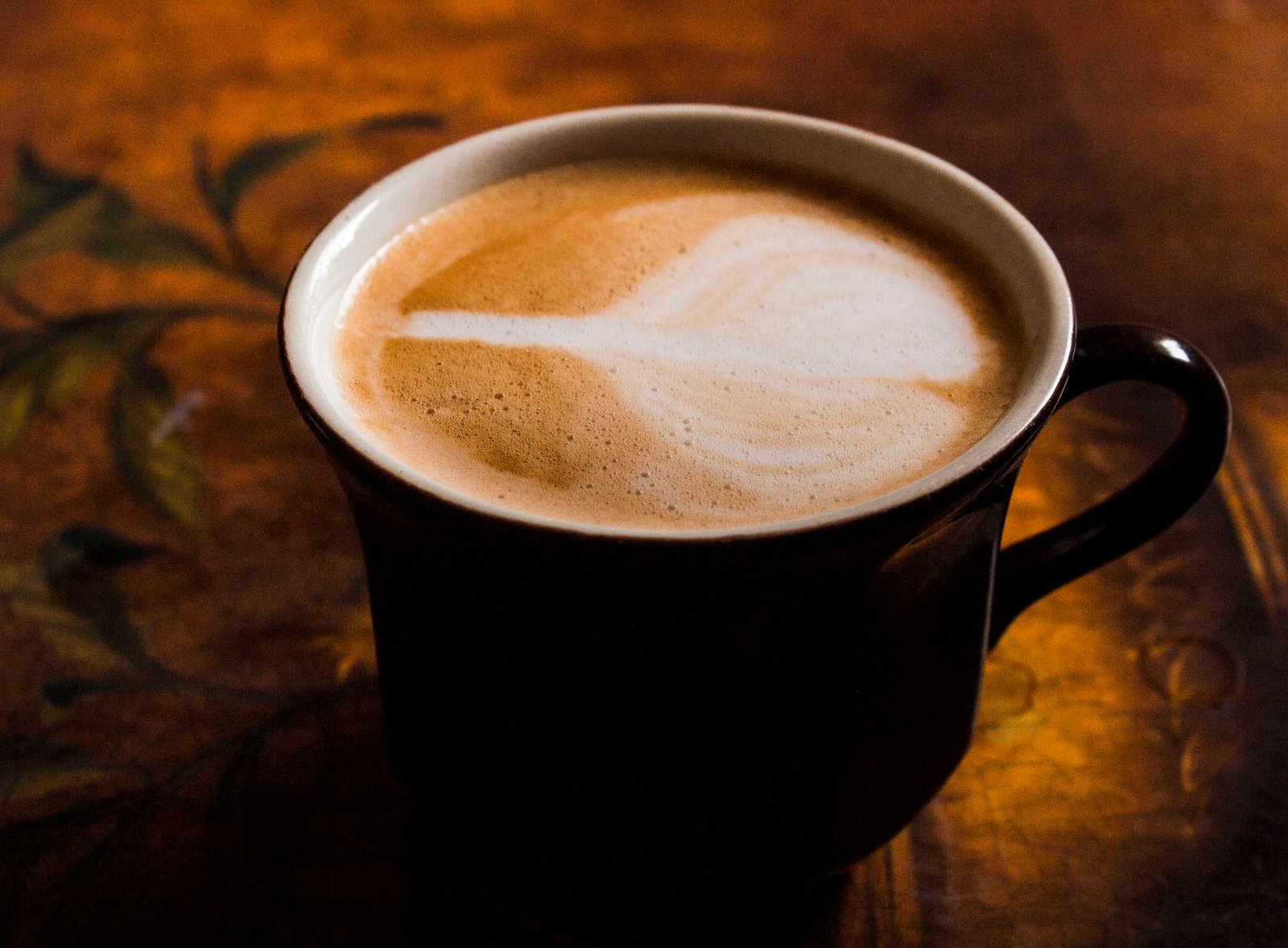
You want the Duo if your summer drink order is an iced latte with cold foam or a cold brew, and you want that at home without a second appliance or a trip to the coffee shop. If half your household drinks cold coffee and the other half drinks hot, the Duo is the one machine that keeps everyone happy, and the automatic milk means nobody has to learn to steam. It is the “I want it all and I will pay for it” pick.
You want the Evo if you are a hot-coffee person — espresso, cappuccino, the occasional latte — and the idea of paying $250 extra for cold foam makes you wince. The base Evo asks you to froth milk by hand, which is a two-week learning curve and then muscle memory, and it saves you real money. If you like the ritual of frothing your own milk, this is honestly the more satisfying machine to own.
You want the Evo with the LatteCrema carafe if you want the automatic milk convenience of the Duo but you basically never drink cold coffee. It is the sensible middle. And whichever you pick, keep our guide to descaling a coffee maker handy, because a De’Longhi that never gets descaled is a De’Longhi that dies young.
The three machines at a glance
Here is the honest spec sheet with September 2026 pricing. Where De’Longhi’s own numbers disagree with retailers, I flag it rather than pretend it is settled.
| Spec | Magnifica Duo | Magnifica Evo (base) | Evo (auto milk) |
|---|---|---|---|
| Price (Sep 2026) | ~$999.95 | ~$749.95 | ~$899.95 |
| Cold brew | Yes — cold extraction, ~3 min | No | No |
| Cold foam | Yes — LatteCrema Cool | No | No |
| Milk system | Auto, hot + cold (dual carafe) | Manual frothing wand | Auto LatteCrema (hot) |
| One-touch drinks | ~20 hot & iced | ~6–7 | ~7 |
| Grinder | Conical burr, 13 settings | Conical burr, 13 settings | Conical burr, 13 settings |
| Display | 2.4″ touch, 3 profiles | Icon panel | Icon panel |
| App / Wi-Fi | No | No | No |
| Best for | Hot + cold drinkers who want it all | Hot-coffee DIY frothers | Hands-off hot-milk fans |
De’Longhi describes the Duo’s cold brew as “as fast as” roughly three minutes; at least one review notes the company does not publish an exact figure, so treat three minutes as a best case. The Evo’s auto-milk variant floats between about $749.99 and $899.95 depending on the retailer and the sale.
An honest point-by-point walkthrough
Cold brew and cold foam: the reason the Duo exists
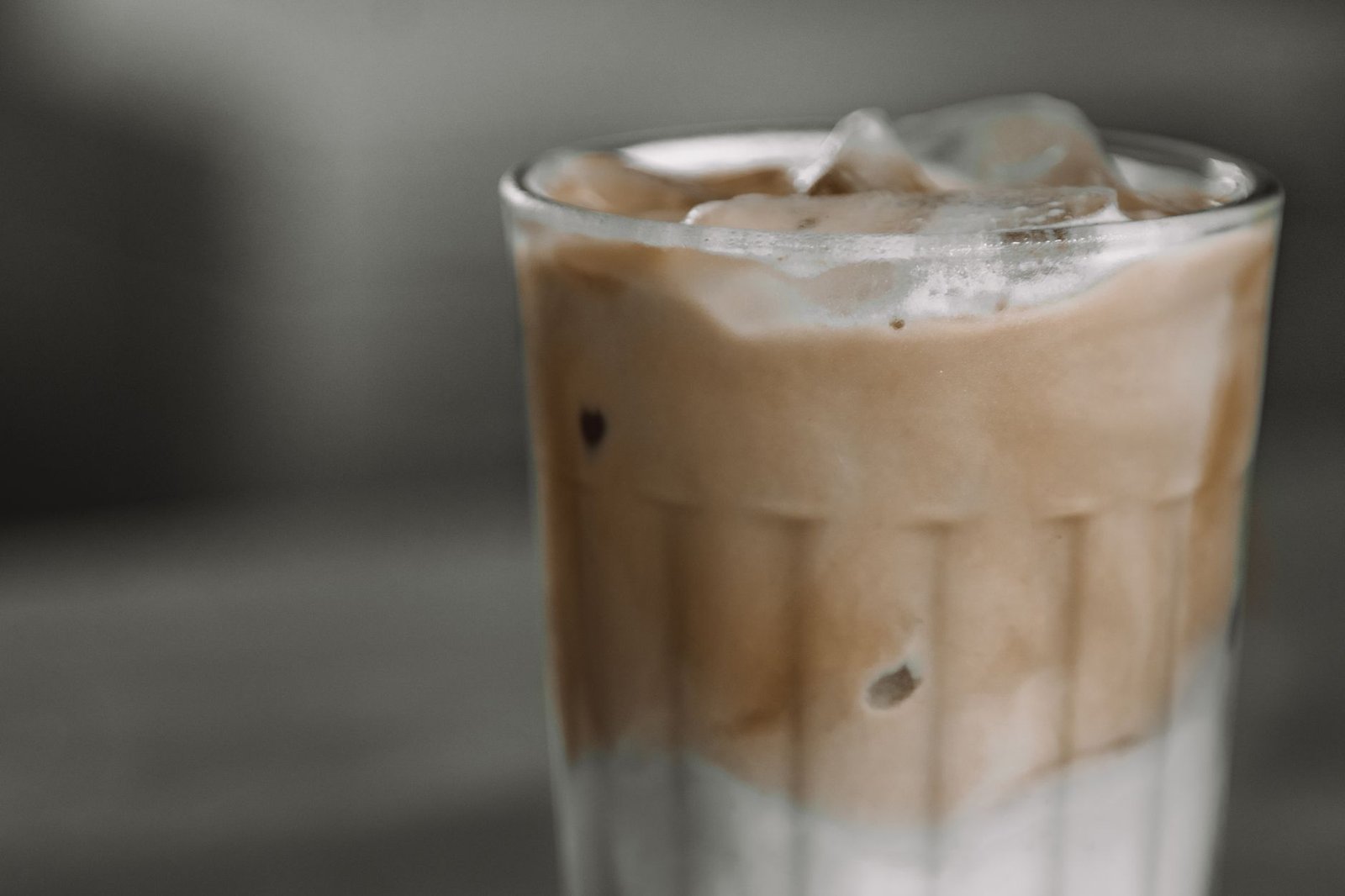
This is the whole ballgame, so it goes first. The Duo’s cold-extraction cold brew is the real thing — it pushes room-temperature water through the grounds at low pressure to make actual cold coffee in about three minutes, instead of the fake “espresso over ice” that most machines call iced coffee. Paired with the LatteCrema Cool carafe that whips up genuine cold foam, the Duo turns your kitchen into a passable substitute for the drink you were paying six bucks for. If you drink cold coffee often, this is a legitimately useful feature, not a gimmick. If you drink it twice a summer, you are financing a party trick. Verdict: Duo wins by default because the Evo simply cannot do this — the only question is whether you want it. [ADD YOUR EXPERIENCE: if you have run the Duo’s cold brew, note how long it actually took, and how the taste compares to a proper overnight steep.]
The espresso itself
Here is the part De’Longhi would rather you not dwell on: the shot is basically the same. Both machines run a 13-setting conical burr grinder into a 15-bar system, and both pull a solid, consistent, crema-topped automatic espresso that will make most people happy and no serious home barista weak at the knees. The Duo’s larger touch display and three saved profiles make it a bit nicer to live with day to day, but the coffee in the cup is a wash. Verdict: tie. Do not buy the Duo expecting better espresso, because you will not get it.
Milk: automatic carafe vs manual wand
This is the fork that actually separates the base Evo from the rest. The Duo (and the auto-milk Evo) use an automatic LatteCrema carafe: you slot it on, pick a drink, and it textures the milk for you, dairy or plant-based, then stores in the fridge. The base Evo hands you a manual frothing wand and expects you to do the work. For a busy household that wants a latte in one press, the automatic system is worth real money. For someone who enjoys the craft — and wants to save $150 to $250 — the manual wand is a feature, not a flaw, once you have practiced. Verdict: Duo for pure convenience; base Evo for the money and the ritual.
Build and daily upkeep
Neither of these is built like a tank. Both lean heavily on plastic, both are single-boiler machines, and neither has an app or Wi-Fi, which honestly nobody needs on a coffee maker anyway. The removable brew group on both is a genuine plus — you can pull it out and rinse it, which keeps the machine alive far longer than a sealed unit. The Duo’s dual carafes and cold-brew path mean a little more to clean; more features, more parts. Whichever you buy, the thing that kills these machines is skipped descaling, not the plastic. Verdict: tie on build; the Duo asks for slightly more cleaning for its extra tricks.
Where to buy: Magnifica Duo on Amazon · Magnifica Evo on Amazon
What no one else tells you about the Duo
Here is the contrarian take the launch coverage skips: the Duo is a $250 bet that you will keep drinking cold coffee at home after the novelty fades. I have watched this movie before with every “does hot and cold” appliance. The first three weeks you make cold brew every day because it is new and fun. By fall you are back to hot lattes and the cold hardware sits there, cleaned less often, justifying its price less every month. Be honest with yourself about your actual habits, not your aspirational summer self.
Second thing nobody says plainly: “cold brew in three minutes” is not real cold brew, and that is fine. Traditional cold brew steeps for 12 to 24 hours, and that slow steep is where the smooth, low-acid flavor comes from. The Duo’s cold extraction is a clever fast approximation — genuinely better than espresso over ice, genuinely not the same as an overnight steep. If you are a cold-brew purist, you will taste the difference. If you just want a good cold coffee in the time it takes to find your shoes, you will be delighted. Just know which one you are.
Third: the base Evo’s “downgrade” manual wand is the part enthusiasts secretly prefer. An automatic carafe makes fine, consistent, slightly boring foam. A manual wand, once you learn it, makes better microfoam and lets you actually pour latte art. De’Longhi sells the wand as the cheaper, lesser option, and for hands-off convenience it is. But if you care about the milk, the “budget” machine is the one that lets you get good. That is a quietly upside-down piece of this lineup.
How they compare to the rest of the field
These De’Longhis are not your only bean-to-cup options. Here is where they sit against the machine most people cross-shop them with.
| Machine | Price (Sep 2026) | Milk / cold | Best for |
|---|---|---|---|
| De’Longhi Magnifica Duo | ~$999.95 | Auto hot + cold, cold brew | Hot + cold drinkers who want it all |
| De’Longhi Magnifica Evo | ~$749.95 | Manual wand, hot only | Hot-coffee DIY frothers |
| Evo (auto LatteCrema) | ~$899.95 | Auto hot milk, no cold | Hands-off latte drinkers |
| Philips 3200 LatteGo | ~$595 (often on sale) | Auto LatteGo, hot only | Value seekers, easy cleanup |
The value spoiler here is the Philips 3200 LatteGo. It does auto milk through a two-part frother that is the easiest thing in this category to clean, runs a ceramic burr grinder, and frequently sells for well under the Evo. It makes fewer drinks and no cold anything, but if your budget is the boss, look hard at it before you sign up for a four-figure De’Longhi. And if it turns out coffee is not even the countertop machine you want most, our take on the Barsys 360 cocktail maker covers the other end of the “drinks at the touch of a button” world.
Who should buy, and who should skip
Buy the Magnifica Duo if cold brew and cold foam are drinks you will actually make on repeat, you want automatic hot-and-cold milk, and the $999.95 does not scare you. It is the most complete machine in the lineup. Check the Duo’s price on Amazon.
Buy the Magnifica Evo if you are a hot-coffee drinker, you are fine frothing milk by hand (or you enjoy it), and you would rather keep $250 in your pocket for the same espresso. Check the Evo’s price on Amazon. If you want auto milk but no cold-drink hardware, the Evo with the LatteCrema carafe is the tidy middle.
Skip the Duo if you drink cold coffee only occasionally, or you are shopping on value — the Philips 3200 LatteGo makes a strong hot latte for hundreds less. There is no true sub-$100 bean-to-cup machine, so if that is your budget, you are honestly looking at a manual lever maker or a moka pot, not an automatic like these. For more budget-minded kitchen picks, our under-$50 kitchen appliances roundup is a better starting point.
The honest limits
Both machines are convenience appliances, not barista tools. The plastic build feels its price point, the single boiler means you wait between steps, and there is no app on either (no loss). The Duo asks for more cleaning to earn its cold tricks, and its “three-minute cold brew” is a fast approximation of a drink that traditionally steeps overnight. The base Evo makes you learn the milk wand and skips cold drinks entirely. And every De’Longhi in this class lives or dies on descaling — ignore that and no feature list will save it. Match the machine to how you actually drink coffee and either one is a good buy. Buy the Duo for a summer fantasy and you will resent the price by October.
The verdict: The Magnifica Duo is worth its $999.95 only if you truly drink cold foam and cold brew at home — otherwise the $749.95 Magnifica Evo makes the same espresso for $250 less, and that is the smarter buy for most people.
Frequently asked questions
What is the difference between the De’Longhi Magnifica Duo and Evo?
The Magnifica Duo (around $999.95) adds automatic cold foam and a real cold-extraction cold brew, an automatic hot-and-cold milk system, and about 20 one-touch drinks. The Magnifica Evo (around $749.95) is a hot-coffee bean-to-cup machine with a manual frothing wand and about 6 to 7 drinks. The espresso itself is nearly identical between them.
Is the De’Longhi Magnifica Duo worth $999?
Only if you regularly drink cold coffee at home. The cold brew and cold foam features are the entire reason for the $250 premium over the Evo. If you mostly make hot espresso and lattes, you are paying for hardware you will rarely use, and the Evo is the better value.
Does the Magnifica Duo make real cold brew?
It makes cold-extraction coffee in about three minutes using room-temperature water at low pressure, which is genuinely different from espresso poured over ice. It is not the same as traditional cold brew steeped for 12 to 24 hours, so purists will taste a difference, but it is a good, fast cold coffee.
Does the base Magnifica Evo have an automatic milk frother?
No. The base Evo (around $749.95) uses a manual frothing wand you operate yourself. There is a separate Evo variant with an automatic LatteCrema carafe for around $899.95 if you want hands-off milk without stepping up to the Duo.
Do the Duo and Evo make the same espresso?
Essentially yes. Both use a 13-setting conical burr grinder and a 15-bar system and pull a similar automatic shot. The Duo adds a nicer touch display and cold drinks, but the espresso quality in the cup is a wash between them.
How many drinks can each machine make?
The Duo offers around 20 one-touch hot and iced recipes, including cold brew and iced lattes. The Evo offers about 6 to 7 recipes, focused on hot espresso and coffee drinks. The auto-milk Evo variant is similar to the base Evo at about 7 recipes.
Is the Philips 3200 LatteGo a better buy than the De’Longhi?
On value, often yes. The Philips 3200 LatteGo frequently sells for well under the Evo, uses a very easy-to-clean two-part milk frother and a ceramic burr grinder, and makes a strong hot latte. It makes fewer drinks and no cold coffee, so it depends on whether cold drinks and a bigger menu matter to you.
Do these De’Longhi machines have an app or Wi-Fi?
No, neither the Duo nor the Evo has an app or Wi-Fi connectivity. Everything is controlled from the machine’s panel or touch display. For a coffee maker, that is not really a drawback.
How do I keep a De’Longhi Magnifica running well?
Descale it on schedule with the machine’s own cycle, rinse the removable brew group regularly, and clean the milk carafe or wand after each use. Skipped descaling is the single most common reason these machines fail early. Our descaling guide walks through the steps.
Which De’Longhi should I buy if I only drink hot coffee?
The base Magnifica Evo at around $749.95. You get the same espresso as the Duo, you save $250, and you are not paying for cold-brew and cold-foam hardware you will not use. Step up to the auto-milk Evo only if you want hands-off frothing.
About the author — Naveen Kumar Durai
I research and test home and kitchen gadgets for TrendifyReview, and I would rather tell you to save $250 than sell you a feature you will use twice a summer. See how I evaluate every product on our How We Review page.

