

TrendifyReview earns a commission if you buy through links on this page. It never changes a verdict or a number.

The Emerson SmartVoice ES5503 and the Ninja Max XL AF161 sit within about $20 of each other, hold almost the same amount of food, and chase the same buyer: someone who wants crisp fries without firing up a full oven. They get there in opposite ways. Emerson spent its budget on a microphone, so you talk to the ES5503 and it preheats, sets timers, and changes temperature with no taps and no Wi-Fi. Ninja spent its budget on heat, so the AF161 runs 1,750 watts and a 450°F Max Crisp mode that testing labs keep ranking near the top for frozen-food texture. One of those bets fits your kitchen better than the other. By the end of this piece you’ll know which.
How we assess: this comparison is built on manufacturer specifications, official documentation, and verified owner reports — not our own hands-on cooking. Here’s how we review.
Last updated: September 2026.
The short answer: which should you buy?
Buy the Ninja Max XL AF161 if you mainly care about how food comes out. Its 1,750 watts and 450°F Max Crisp mode out-brown the Emerson ES5503’s 1,500 watts and 400°F ceiling, and independent testers have rated it well for years. Buy the Emerson SmartVoice ES5503 ($129.99) only if hands-free, fully offline voice control is a feature you genuinely want — not a novelty you’ll use twice. If you have full hands while cooking, limited mobility, or a strong dislike of greasy touchpads, the Emerson earns its price. Everyone else gets more air fryer for the money from the Ninja.
Key takeaways
- Winner for cooking: Ninja Max XL AF161 — 1,750W, 450°F, better crisping on frozen food.
- Winner for accessibility: Emerson SmartVoice ES5503 — 1,000+ offline voice commands, no app, no Wi-Fi.
- Price: Emerson $129.99; Ninja typically $110–$150 (September 2026).
- Capacity is a near-tie: 5.3 qt (Emerson) vs 5.5 qt (Ninja).
- Budget alternative: Ninja AF101 (4 qt) usually sits under $100.
Quick picks
Best crisping performance — Ninja Max XL AF161 (5.5 qt), ~$110–$150. 1,750W, 450°F Max Crisp, physical buttons that work with wet hands.
Check Ninja AF161 price on Amazon →
Best hands-free cooking — Emerson SmartVoice ES5503 (5.3 qt), $129.99. 1,000+ offline voice commands, no app or Wi-Fi, recognizes 100+ foods.
What each air fryer actually is
The Emerson SmartVoice ES5503 is a 5.3-quart, 1,500-watt basket air fryer whose entire pitch is offline voice control. You say “air fry fries for fifteen minutes” and it obeys — no phone, no account, no cloud. Emerson claims more than 1,000 voice commands and automatic recognition of 100+ foods. It runs six functions (air fry, bake, roast, reheat, broil, dehydrate), keeps eight touch presets as a backup, and adds small comforts like a flip reminder, delay start, and an interior light. It cooks from 170°F to 400°F, drops to 90°F for dehydrating, and ships with a dishwasher-safe basket. List price is $129.99.
The Ninja Max XL AF161 is a 5.5-quart, 1,750-watt basket air fryer built around raw heat. Its Max Crisp mode hits 450°F — 50 degrees hotter than the Emerson’s ceiling — which is the single most important number for browning frozen food fast. It runs seven functions (Max Crisp, Air Fry, Roast, Broil, Bake, Reheat, Dehydrate), uses a ceramic-coated nonstick basket, and controls everything through physical buttons and a dial rather than a touch panel. No voice, no app, no Wi-Fi. It has been on sale since 2019, which is why so many independent labs have long-term data on it. Street price usually lands between $110 and $150.
Who each one is for
The Emerson is for a specific person: someone whose hands are usually busy, messy, or unavailable when it’s time to cook. Think of a parent juggling a toddler, a cook with arthritis or limited grip who finds small touch buttons painful, or anyone who hates smearing a greasy fingertip across a glossy panel. If that’s you, voice control stops being a gimmick and starts being the reason you’d choose this machine. I dig into whether voice control is worth it at all in a separate piece, and the honest answer is “only for the right person.”
The Ninja is for almost everyone else — the buyer who judges an air fryer by what comes out of the basket. If you cook a lot of frozen food, want the fastest path to crunchy, and don’t care about talking to your appliance, the AF161 is the safer purchase. It’s also the better pick if you distrust electronics: fewer smart features means fewer things that can break.
Specs at a glance
| Spec | Emerson SmartVoice ES5503 | Ninja Max XL AF161 |
|---|---|---|
| Capacity | 5.3 qt (5 L) | 5.5 qt (~3 lbs fries) |
| Wattage | 1,500 W | 1,750 W |
| Max temperature | 400°F | 450°F (Max Crisp) |
| Functions | 6-in-1 + 8 presets | 7-in-1 |
| Control | Voice + touch panel | Physical buttons + dial |
| Voice control | 1,000+ offline commands | None |
| App / Wi-Fi | Not required (fully offline) | None |
| Basket | Nonstick, dishwasher-safe | Ceramic nonstick, dishwasher-safe |
| Warranty | 1 year limited | 1 year limited |
| Price (Sep 2026) | $129.99 | ~$110–$150 |
How they compare, point by point
Crisping and browning
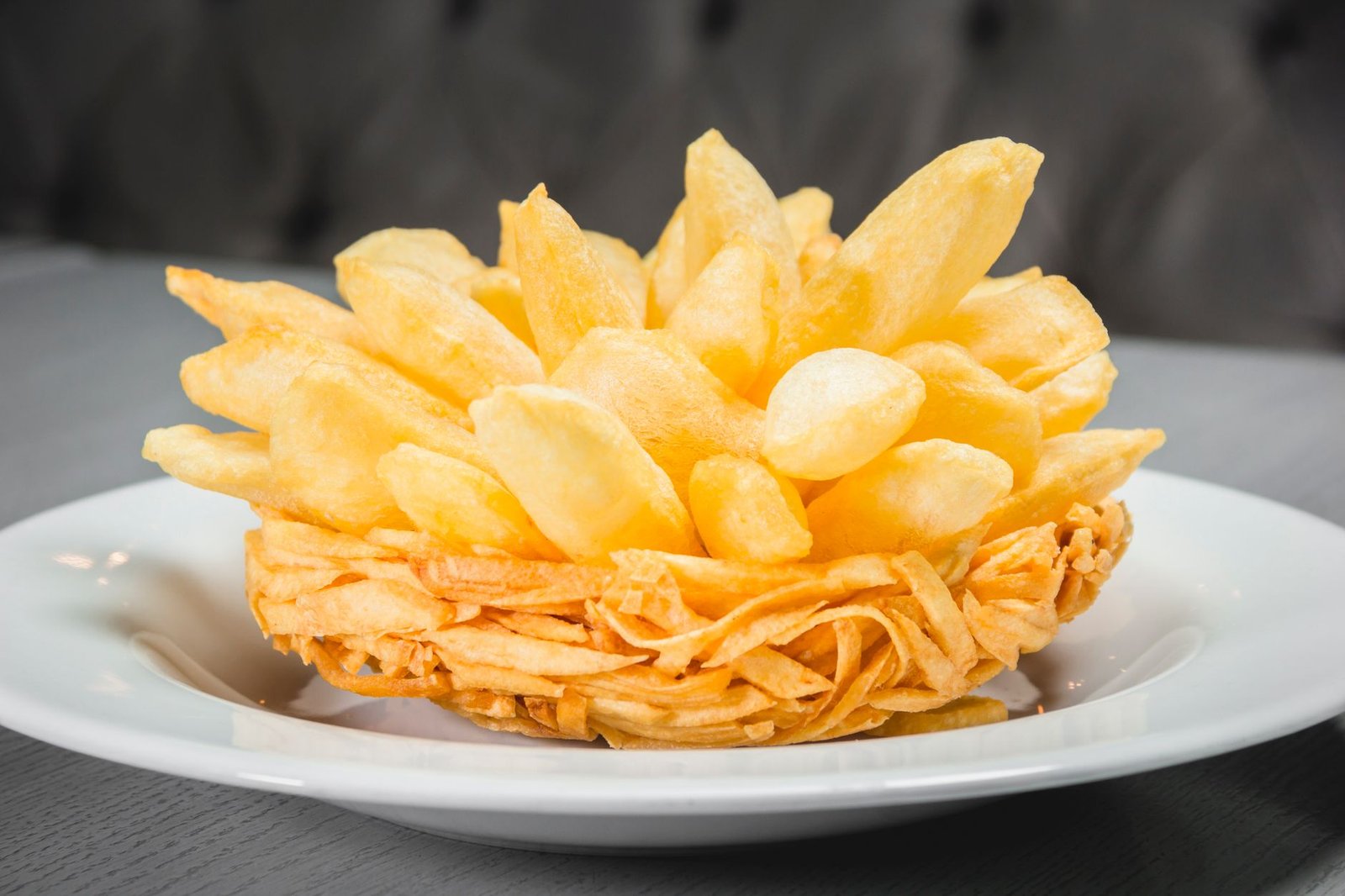
This is the whole ballgame for most buyers, and the Ninja wins it. Heat and airflow decide how quickly a wet frozen surface dries out and browns, and the AF161 has more of both: 1,750 watts versus 1,500, and a 450°F Max Crisp mode against a 400°F ceiling. Reviewers who cook frozen fries on Max Crisp describe a uniform golden exterior with a steamy interior and no oily film. The Emerson still makes perfectly good fries — 400°F is plenty for everyday cooking — but on a side-by-side batch of frozen food, the extra 50 degrees and 250 watts show up as faster, more even color. Verdict: Ninja, clearly.
Controls and daily use
Here the machines split by philosophy. The Emerson’s voice control is the real thing: it’s offline, so there’s no lag from a server and nothing to set up. Say the command, it acts. For anyone cooking with full or messy hands, that’s a genuine convenience, not a party trick. The Ninja answers with physical buttons and a dial that never miss a press, even with wet fingers — the kind of control that still works in five years. Which one you prefer says more about you than about the machines. [ADD YOUR EXPERIENCE: after a week of daily use, did you actually keep using the Emerson’s voice commands, or fall back to the touch panel?] Verdict: tie — pick your interface.
Capacity
Call it a draw. 5.3 quarts versus 5.5 quarts is a rounding error in practice; both comfortably feed two to three people or handle a pound of fries, and both make you batch-cook for a crowd of six. If serving size is your deciding factor, neither of these is your answer — you want a bigger oven-style unit. For a quick primer on matching size to household, see my guide to choosing the right air fryer size. Verdict: tie.
Presets and versatility
The Emerson leans on convenience: eight touch presets plus voice recognition for 100+ foods means less guessing about time and temperature. The Ninja keeps it lean with seven functions and expects you to dial in the rest, which experienced cooks tend to prefer. If you like being told what to do, Emerson; if you like control, Ninja. Verdict: slight edge to Emerson for beginners.
Cleaning and noise
Both baskets are nonstick and dishwasher-safe, so cleanup is a wash — a quick tip either way is in my guide to keeping an air fryer basket clean. The Ninja’s ceramic coating tends to release stuck-on bits a little faster, and owners note it runs under 50 decibels, quieter than normal conversation. The Emerson is not loud either, but the Ninja’s ceramic basket is the small, real advantage here. Verdict: narrow edge to Ninja.
Price and value
The Emerson holds at $129.99. The Ninja swings between roughly $110 and $150 depending on sales, and on a good day it’s both cheaper and the stronger cooker. Unless you specifically want voice control, the Ninja is the better value more often than not. Verdict: Ninja on value; Emerson only if you’ll use the voice.
What no one else tells you
Here’s the part the spec sheets bury: voice control on a countertop appliance solves a problem most people don’t have. The pitch sounds great in a product video — hands covered in flour, you just speak — but cooking on an air fryer is already a two-button job. Load the basket, set time and temp, walk away. Adding a voice layer to a task that takes three seconds of tapping is convenience theater for the average kitchen. Most owners try it for a week, then quietly go back to the touch panel because it’s faster to press than to phrase a sentence and wait for the beep.
That’s exactly why the Emerson is a smart buy for one group and a waste for everyone else. If you have arthritis, low vision, limited grip, or you genuinely cook with both hands full, hands-free control is real accessibility — and there aren’t many affordable appliances that offer it offline, with no account and no cloud listening in your kitchen. For that buyer, the Emerson is close to unique. For the buyer who just wants crunchy fries and picked it because “voice control” sounded futuristic, it’s $130 spent on a feature they’ll abandon. Be honest about which one you are before you buy. The heat-first Ninja is the default for a reason.

Emerson vs Ninja vs a budget pick
If neither flagship feels right, a cheaper Ninja covers most of the same ground. Here’s how the three stack up.
| Model | Best for | Capacity / Power | Price (Sep 2026) |
|---|---|---|---|
| Ninja Max XL AF161 | Best crisping | 5.5 qt / 1,750 W / 450°F | ~$110–$150 |
| Emerson SmartVoice ES5503 | Hands-free / accessibility | 5.3 qt / 1,500 W / 400°F | $129.99 |
| Ninja AF101 (budget) | Smaller kitchens, tight budget | 4 qt / 1,550 W / 400°F | under $100 |
Budget pick under $100 — Ninja AF101 (4 qt). Same brand, same easy cleanup, 1,550 watts and a 400°F ceiling in a smaller 4-quart basket. It won’t crisp quite like the Max XL, but for one or two people it’s the value play, and it usually sells under $100.
Check Ninja AF101 price on Amazon →
Want more options in this price band? See the air fryers worth buying under $150.
Who should buy which
Buy the Ninja Max XL AF161 if you cook a lot of frozen food, care most about crisp texture, want simple buttons that never fail, and don’t need to talk to your appliance. This is the default recommendation for most kitchens.
Buy the Emerson SmartVoice ES5503 if hands-free control solves a real problem — messy hands, limited grip or mobility, low vision — and you value an offline system with no app and no cloud. For that buyer it’s worth every dollar.
Skip both and get the Ninja AF101 if you’re feeding one or two people, want to spend under $100, and can live with a slightly smaller basket.
Skip both entirely if you routinely cook for five or more — you want a larger oven-style air fryer instead.
The honest limits
A few things to go in clear-eyed about. This comparison is research-based, drawing on manufacturer specs and verified owner reports rather than our own side-by-side cook-off, so treat the crisping call as a strong lean, not a lab result. The Emerson’s voice recognition, like all voice systems, can mishear in a noisy kitchen — the touch panel is there for a reason. The Ninja’s glossy finish shows fingerprints (they wipe off in seconds). And both are single-basket units around 5.5 quarts: neither replaces an oven for big-batch cooking, and neither has the dual zones that let you cook two foods at once. If any of those are dealbreakers, widen your search before buying.
The verdict
The Ninja Max XL AF161 is the better air fryer for almost everyone; the Emerson SmartVoice ES5503 is the better air fryer for the specific person who needs to cook without touching it.
Frequently asked questions
Which is better, the Emerson SmartVoice or the Ninja Max XL?
For cooking performance, the Ninja Max XL AF161 is better. Its 1,750 watts and 450°F Max Crisp mode brown frozen food faster and more evenly than the Emerson’s 1,500 watts and 400°F ceiling. Choose the Emerson only if you specifically want hands-free, offline voice control.
How much does the Emerson SmartVoice ES5503 cost?
The Emerson SmartVoice ES5503 lists at $129.99 as of September 2026. It’s a 5.3-quart, 1,500-watt air fryer with more than 1,000 offline voice commands.
How much does the Ninja Max XL AF161 cost?
The Ninja Max XL AF161 typically sells for about $110 to $150 as of September 2026, depending on current promotions. It’s a 5.5-quart, 1,750-watt air fryer.
Does the Emerson air fryer need Wi-Fi or an app?
No. The Emerson SmartVoice ES5503 works entirely offline. Its voice control needs no phone, app, account, or internet connection, and nothing is sent to the cloud.
Is the Ninja Max XL AF161 loud?
No. Owners and reviewers report it runs under 50 decibels, which is quieter than a normal conversation, thanks in part to its fan and airflow design.
Which has more capacity?
They are nearly identical: the Ninja holds 5.5 quarts and the Emerson holds 5.3 quarts. Both comfortably serve two to three people, and both require batch cooking for larger groups.
Can the Emerson SmartVoice really understand 1,000 voice commands?
Emerson advertises more than 1,000 offline voice commands and automatic recognition of 100+ foods. In practice, voice systems can occasionally mishear in a noisy kitchen, which is why the unit also keeps eight touch presets as a backup.
Is a voice-controlled air fryer worth it?
For most people, no — setting time and temperature by touch takes seconds. Voice control becomes worthwhile mainly for people with messy hands, limited grip or mobility, or low vision, where hands-free operation is genuine accessibility rather than a novelty.
Which air fryer is easier to clean?
Both have nonstick, dishwasher-safe baskets. The Ninja’s ceramic coating tends to release stuck-on food slightly faster, giving it a small edge in daily cleanup.
What is the best budget alternative?
The Ninja AF101 is the value pick. It’s a 4-quart, 1,550-watt air fryer that usually sells for under $100 — a good fit for one or two people who want Ninja cooking without the larger price.
Do either of these have two cooking zones?
No. Both the Emerson ES5503 and the Ninja AF161 are single-basket air fryers. If you want to cook two foods separately at once, you need a dual-zone model instead.
Which should I buy for a family of four?
Either works for a family of four with light batching, but the Ninja Max XL AF161 is the better all-round choice thanks to its stronger heat. For five or more people, step up to a larger oven-style air fryer.
About the author — Naveen Kumar Durai
Naveen runs TrendifyReview, where he researches home and kitchen gadgets and cuts through spec-sheet hype to say plainly what’s worth buying. Reviews here are built on manufacturer documentation and verified owner reports — see how we review.

