

TrendifyReview earns a commission if you buy through links on this page, at no extra cost to you. That never changes a verdict, and it has nothing to do with the safety guidance below.
TL;DR: If you own a Lakkzoom immersion water heater, unplug it and throw it away today. On July 22, 2026 the CPSC told owners of about 98,000 units to stop using them after 235 reported fires; there is no fix and no refund program. The safe swap is a UL- or ETL-listed electric kettle with auto shut-off. My overall pick is the COSORI 1.7L stainless kettle; the budget pick is the Amazon Basics kettle at around $20.
How we assess: this is research- and news-based analysis built on the CPSC warning, the DOJ filing, and manufacturer specs, not hands-on testing. See our how we review page. Last updated: September 2026.
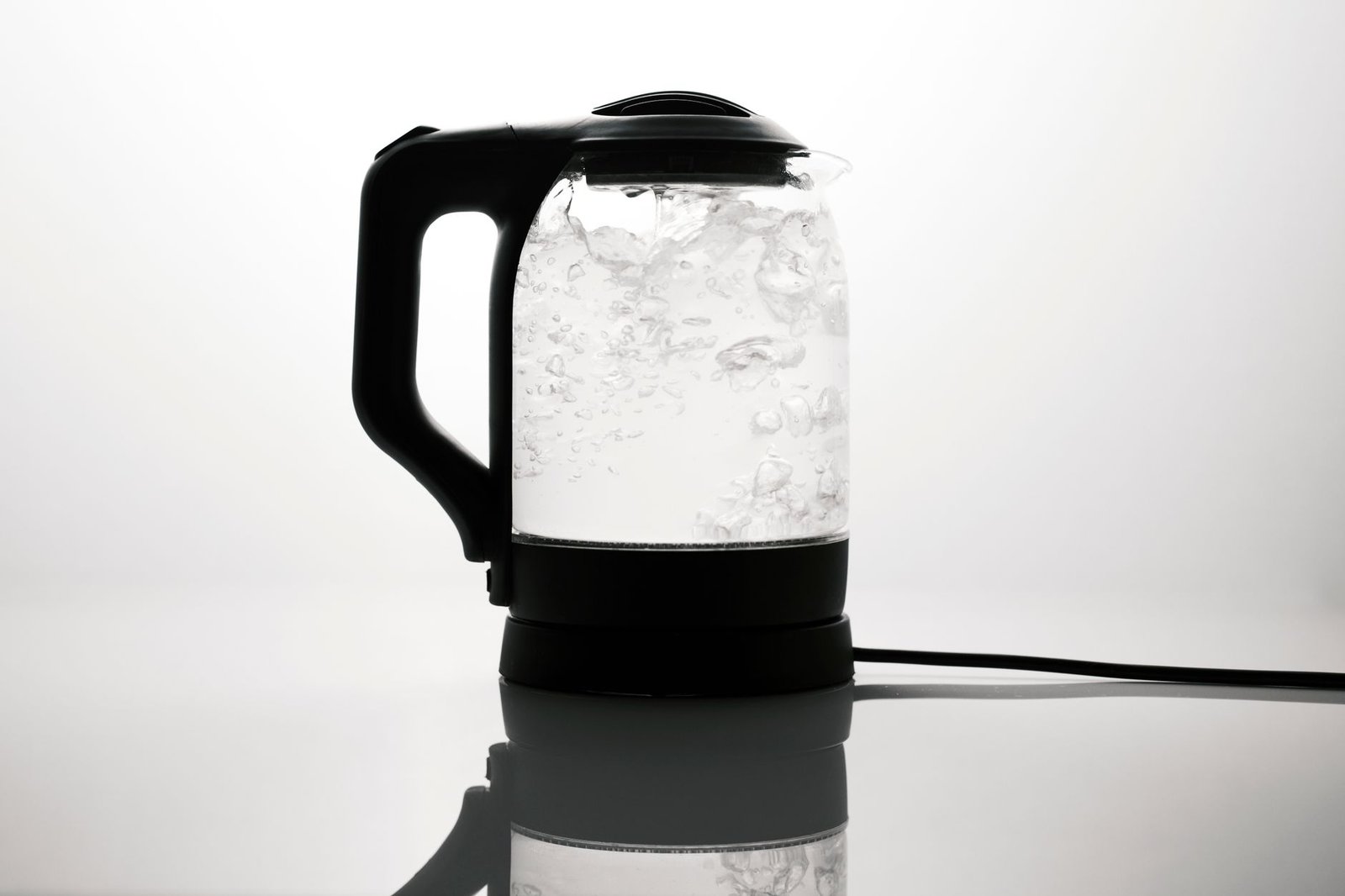
If there is a Lakkzoom immersion water heater anywhere in your home, dorm, RV, or camping bin, stop reading and go unplug it. On July 22, 2026, the U.S. Consumer Product Safety Commission told owners of roughly 98,000 of these plug-in heating rods to throw them away immediately, citing 235 reported fires. The agency considered the danger severe enough to invoke its Section 12 “imminent hazard” authority, a legal tool it had not touched in nearly 40 years, and the Department of Justice sued the Chinese manufacturer and importer to force the issue. Below I cover exactly which units are affected, why these rods catch fire, what to do right now, and, since most people bought one to heat water cheaply for tea, coffee, bucket baths, or travel, the safe replacements I would actually buy, starting around $20.
Key takeaways
- Affected models are marked 1500W, 2000W, HT1500W (MJ-R13), or HT2000W, sold on Amazon and eBay since September 2022.
- CPSC guidance is disposal. No repair exists, and no refund program had been announced as of September 2026.
- 235 fires and a nearly-40-year-first use of imminent-hazard authority tell you how serious this is.
- A UL- or ETL-listed electric kettle with auto shut-off does the same job safely for about the same money.
What the Lakkzoom recall actually is
Strictly speaking this is a CPSC warning and an imminent-hazard lawsuit rather than a company-run recall with a tidy refund form, and that distinction matters for what you can expect. The Commission named the manufacturer as Cixi Miaojie Electrical Appliance Co. Ltd. and the importer as Changsha Jiayi Tianzhuo Trading Co. Ltd., both in China, and went to the Department of Justice to force action because, in the agency’s words, the heaters “can quickly ignite within minutes when they are partially or completely out of water.” About 98,000 units went out on Amazon.com and eBay.com between September 2022 and July 2026.
Here is the part people miss: because this was pushed through the courts as an imminent hazard rather than negotiated as a voluntary recall, there is no manufacturer hotline handing out refunds. The official instruction is blunt: stop using it and dispose of it. That is not bureaucratic caution. A bare heating element that can ignite in minutes is the kind of thing that burns a dorm room down while you are in the shower.
Is my heater affected? How to check
Look at the rod and the box for the wattage and model marking. The affected units are labeled 1500W, 2000W, HT1500W (also printed as MJ-R13), or HT2000W. If yours carries any of those marks, or if you simply know it is a Lakkzoom, it is in scope. And frankly, if you own any no-name immersion rod bought off a marketplace in the last few years, I would retire it regardless of brand; this recall is a warning about a whole category, not just one logo.
| Recall fact | Detail |
|---|---|
| Action date | July 22, 2026 |
| Units affected | About 98,000 |
| Fires reported | 235 |
| Affected models | 1500W, 2000W, HT1500W (MJ-R13), HT2000W |
| Sold where / when | Amazon.com and eBay.com, Sept 2022 – July 2026 |
| Maker / importer | Cixi Miaojie Electrical Appliance Co. / Changsha Jiayi Tianzhuo Trading Co. (China) |
| What to do | Unplug, stop using, dispose of it |
| Refund? | None announced as of September 2026 |
| Legal status | Section 12 imminent-hazard action via DOJ |
Who this guide is for
This is for anyone who bought a cheap immersion rod to heat water without a stovetop: students in dorms, renters with tiny kitchens, travelers and RVers, campers, and folks who wanted fast hot water for tea, instant coffee, or a bucket bath. You wanted convenience and a low price, not a fire. The good news is that the safe replacements cost about what you paid for the rod and do the same job better. Below are the swaps mapped to how you actually used it.
Why these rods catch fire (the honest physics)
An immersion heater is a naked electrical element that gets red-hot and relies entirely on surrounding water to carry that heat away. Submerge it fully and it is fine. Switch it on in too little water, let it touch the side of a plastic mug, or walk away while the water boils off, and the element temperature climbs fast past the ignition point of plastic and paper. A well-made unit has a thermal cutoff that kills the power before that happens. The cheap ones, over and over, either lack that protection or use a version that fails. That is the whole story behind 235 fires.
The safe swaps I would actually buy
Every one of these heats water in an enclosed vessel, carries a safety listing, and shuts itself off. That last part is the whole point: the Lakkzoom’s failure was that it could keep cooking in open air, and a kettle physically cannot.
1. COSORI 1.7L Stainless Electric Kettle — best overall swap
This is the replacement I would hand most people. It is a 1500W stainless kettle with a plastic-free water path, automatic shut-off, and boil-dry protection, and it boils a couple of mugs in a few minutes. It lives on a counter, pours cleanly, and there is no scenario where it energizes a bare element in the air. For everyday tea and coffee it is the obvious, boring, correct answer, usually in the $40 to $50 range.
[ADD YOUR EXPERIENCE: how fast it boiled two cups for you, and whether the stainless interior stayed clean.]
Check the COSORI kettle price on Amazon
2. Amazon Basics Electric Kettle — the budget pick under $30
If you paid next to nothing for the Lakkzoom and want to spend about the same, this is it. It is a 1L stainless kettle with a Strix thermostat, auto shut-off, and boil-dry protection, and it is regularly around $20. Consumer Reports’ testing clocked an Amazon Basics kettle at just under four minutes to boil, which is plenty for a mug of tea. It is not fancy, it will not win a kitchen beauty contest, and it is exactly the safe, cheap swap this situation calls for.
Check the Amazon Basics kettle price on Amazon
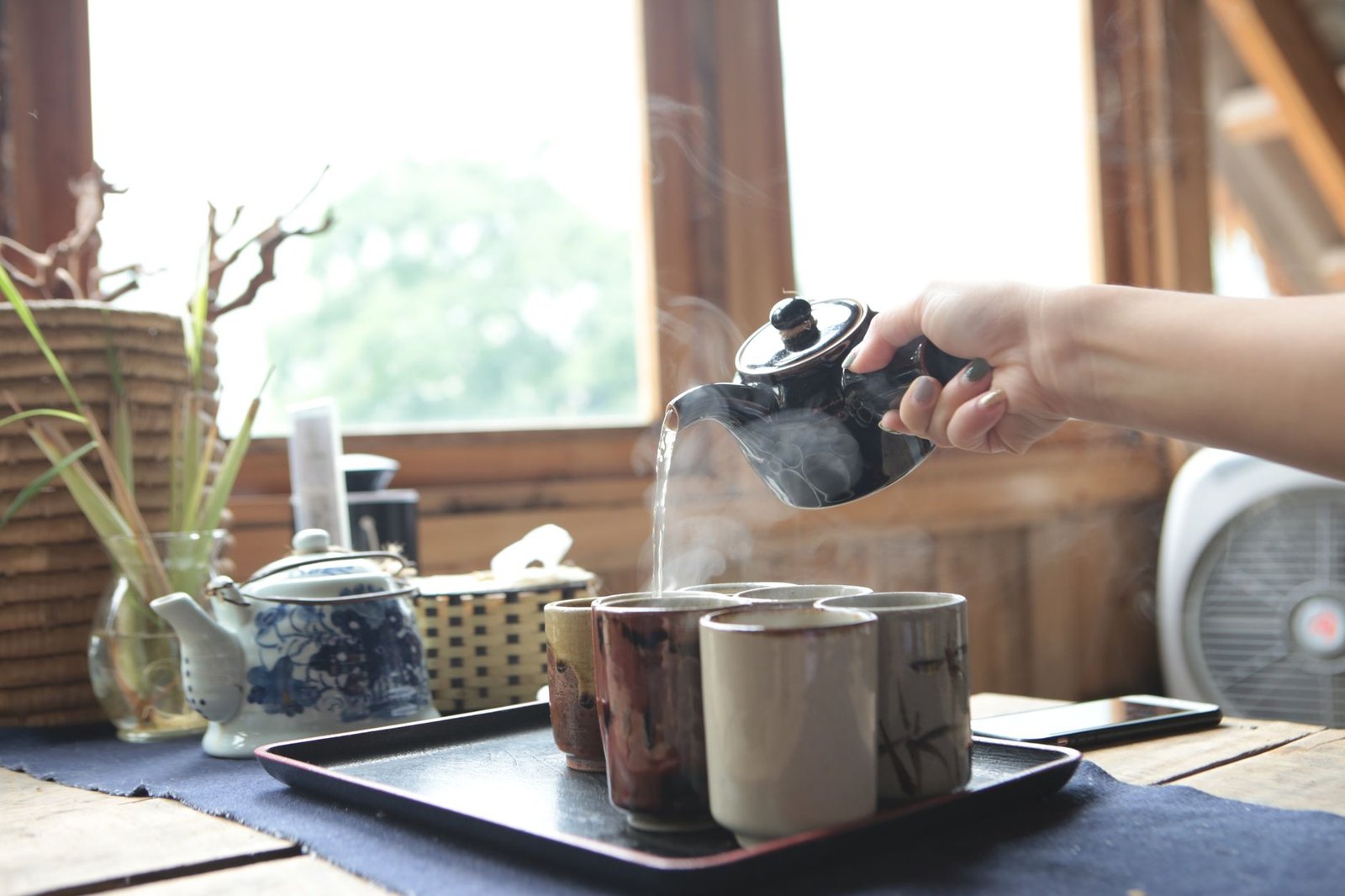
3. Nicewell Dual-Voltage Travel Kettle — best for travel, RV, and camping
This is the true replacement for the “heat water cheaply anywhere” job people bought the rod for. It is a compact 316-stainless kettle that runs on 110-240V, packs small, has temperature presets and auto shut-off, and will not set your tent or RV on fire when you get distracted. If your Lakkzoom lived in a travel bag or a camper, put this in its place, usually $30 to $40.
Check the travel kettle price on Amazon
4. Bodum Bistro Gooseneck Kettle — best for coffee people
If you bought the immersion rod mainly for pour-over or instant coffee, upgrade your luck and your brew at the same time. The Bodum Bistro gooseneck gives you the slow, controlled pour that pour-over actually needs, in a proper enclosed electric kettle with auto shut-off. It is the most “want” rather than “need” pick here, around $60 to $70, but coffee obsessives will get daily use out of the spout.
Check the Bodum gooseneck price on Amazon
What no one else tells you about this recall
Two things the news write-ups skip. First: the danger is not unique to Lakkzoom, and swapping one cheap immersion rod for a different cheap immersion rod fixes nothing. The reason the CPSC reached for a power it had not used since the 1980s is that this failure mode, a bare element with no reliable cutoff, is baked into the cheapest corner of the category. If you replace a recalled rod with a $9 unbranded rod from the same marketplace, you have changed the sticker and kept the risk. The fix is the format, a listed kettle, not a better brand of rod.
Second: check where you stored it, not just whether you used it. A lot of these live in a drawer or a camping bin for months and get grabbed once a season. The fire reports do not care that you forgot you owned it. Go look in the travel bag, the RV, the garage box, and the college care-package pile right now, because the person most likely to get burned is the one who does not remember they have one. And if you gave one as a gift, send that text today.
Safe swaps compared
| Pick | Best for | Capacity | Key safety features | Price (Sept 2026) |
|---|---|---|---|---|
| COSORI 1.7L Stainless | Everyday home use | 1.7L | Auto shut-off, boil-dry protection, plastic-free path | ~$40–$50 |
| Amazon Basics Kettle | Tightest budget | 1L | Strix thermostat, auto shut-off, boil-dry protection | ~$20 |
| Nicewell Travel Kettle | Travel / RV / camping | ~0.37L | Dual voltage, auto shut-off, 316 stainless | ~$30–$40 |
| Bodum Bistro Gooseneck | Pour-over coffee | ~0.8L | Auto shut-off, controlled pour spout | ~$60–$70 |
| Do not use | — | Recalled fire hazard, no cutoff | Dispose |
For more small-space cooking gear that is safe and cheap, see my guide to the best dorm kitchen appliances under $50, and if you like this brand’s other gear, the COSORI TurboBlaze air fryer review is a good read.
Which swap fits you
Get the COSORI if you want one dependable kettle on the counter for daily tea and coffee. Get the Amazon Basics if you are replacing a near-free rod and just want safe and cheap. Get the Nicewell travel kettle if your heater lived in a bag, a dorm, a camper, or a tent. Get the Bodum gooseneck if coffee is your thing and you will use the pour control.
This pattern, a cheap marketplace product recalled for a fire or injury risk, keeps repeating. If you want to stay ahead of it, my coverage of the Panasonic NB-G200 toaster oven recall and the Boon PIVOT toddler tower recall follow the same “stop using it, here is the safe swap” playbook.
The honest limits
A kettle will not do every single thing a submersible rod did. It will not heat a full bucket of bath water in one go, so for that job you are boiling a couple of kettle-fulls or using a proper water heater, which is slower but will not burn your place down. A kettle also needs a flat surface and a standard outlet, where a rod could heat water in any container. Those are real trade-offs. They are also the price of not owning a product the federal government sued a company to get off the market. I will take slower hot water over a fire every time, and so should you.
The verdict: Throw the Lakkzoom away today, skip every other cheap immersion rod, and put a $20 listed kettle in its place. The job gets done and nothing catches fire.
Frequently asked questions
What is the Lakkzoom water heater recall about?
On July 22, 2026, the U.S. Consumer Product Safety Commission (CPSC) urged owners of about 98,000 Lakkzoom immersion water heaters to stop using them immediately and throw them away. The rods can overheat and catch fire within minutes if they are switched on while partly or fully out of water. The agency logged 235 fire reports and, through the Department of Justice, filed an imminent-hazard action against the maker and importer.
How do I know if my immersion heater is affected?
Check the wattage and model marking. The affected units are labeled 1500W, 2000W, HT1500W (also printed as MJ-R13), or HT2000W, and were sold on Amazon.com and eBay.com from September 2022 through July 2026. If you have any Lakkzoom immersion rod, treat it as affected and stop using it.
What should I do with my Lakkzoom heater right now?
Unplug it, stop using it for good, and dispose of it. The CPSC says there is no repair and no safe way to keep using it. Do not sell it, donate it, or hand it down; cut the cord if you want to be certain no one else plugs it in.
Will I get a refund for my Lakkzoom heater?
As of September 2026, no refund or replacement program has been announced. The CPSC’s guidance is disposal, not return. Check your Amazon or eBay order history and contact the seller, and keep your records in case a remedy or legal settlement appears later.
Why do immersion water heaters catch fire?
An immersion rod is a bare heating element designed to be fully underwater, which carries the heat away. If it is energized in too little water, against the side of a cup, or left running after the water boils off, the element can hit temperatures that ignite nearby plastic or the container. Cheap units often lack the thermal cutoff that is supposed to kill the power first.
How many fires has the Lakkzoom heater caused?
The CPSC cited 235 reported fires involving these heaters when it issued the warning on July 22, 2026. That volume is part of why the agency reached for its rarely used imminent-hazard power.
What is a safe alternative to an immersion water heater?
A UL- or ETL-listed electric kettle with automatic shut-off and boil-dry protection. It heats water in an enclosed vessel, turns itself off when the water boils, and cannot energize a bare element in open air. Good options start around $20, and the COSORI 1.7L stainless kettle is my overall pick.
Are immersion water heaters illegal now?
The recall targets specific Lakkzoom models, not every immersion heater. That said, cheap unlisted immersion rods as a category have a bad safety record. If you must use one, buy only a UL- or ETL-listed model with an automatic thermal cutoff, and never run it out of water.
What is the safest way to heat water for travel, an RV, or a dorm?
A compact, dual-voltage electric travel kettle with auto shut-off. It packs small, works on 110-240V, and shuts off on its own, which is exactly what the immersion rod could not be trusted to do. It is the honest replacement for the ‘heat water cheaply anywhere’ job people bought the Lakkzoom for.
Can I still use my immersion rod until my new kettle arrives?
No. The CPSC says stop using it immediately, and a multi-day wait for a delivery is exactly the window where a fire happens. Boil water on the stove or microwave a mug in the meantime.
Is the Lakkzoom still for sale on Amazon?
It should not be. The CPSC action and the DOJ complaint are aimed at stopping sales, and the listings have been coming down. If you see one for sale, do not buy it, and you can report the listing to the CPSC.
What does ‘imminent hazard’ mean and why does it matter?
Section 12 of the Consumer Product Safety Act lets the CPSC ask a court for fast action when a product is dangerous enough that waiting for the normal recall process would put people at serious risk. The agency had not used it in nearly 40 years before the Lakkzoom case, which tells you how seriously it is treating these fires.
About the author — Naveen Kumar Durai
I cover home and kitchen gadgets for TrendifyReview and track product recalls so you do not have to. I give the same advice I would give my own family: when a product is a fire risk, the honest answer is the safe swap, not a workaround. See how we review.

