

If your coffee has started tasting flat, your machine sputters, or a brew takes noticeably longer than it used to, the culprit is almost always limescale – hardened mineral deposits from your water coating the heating element and pipes. Descaling clears it, and it is a 20-minute job with something you already have in the cupboard. This guide covers exactly how to descale any coffee maker, how often to do it, and how to keep scale from coming back. Written for August 2026.
How we assess: this guide is based on manufacturer documentation, official descaling instructions, and verified owner reports.
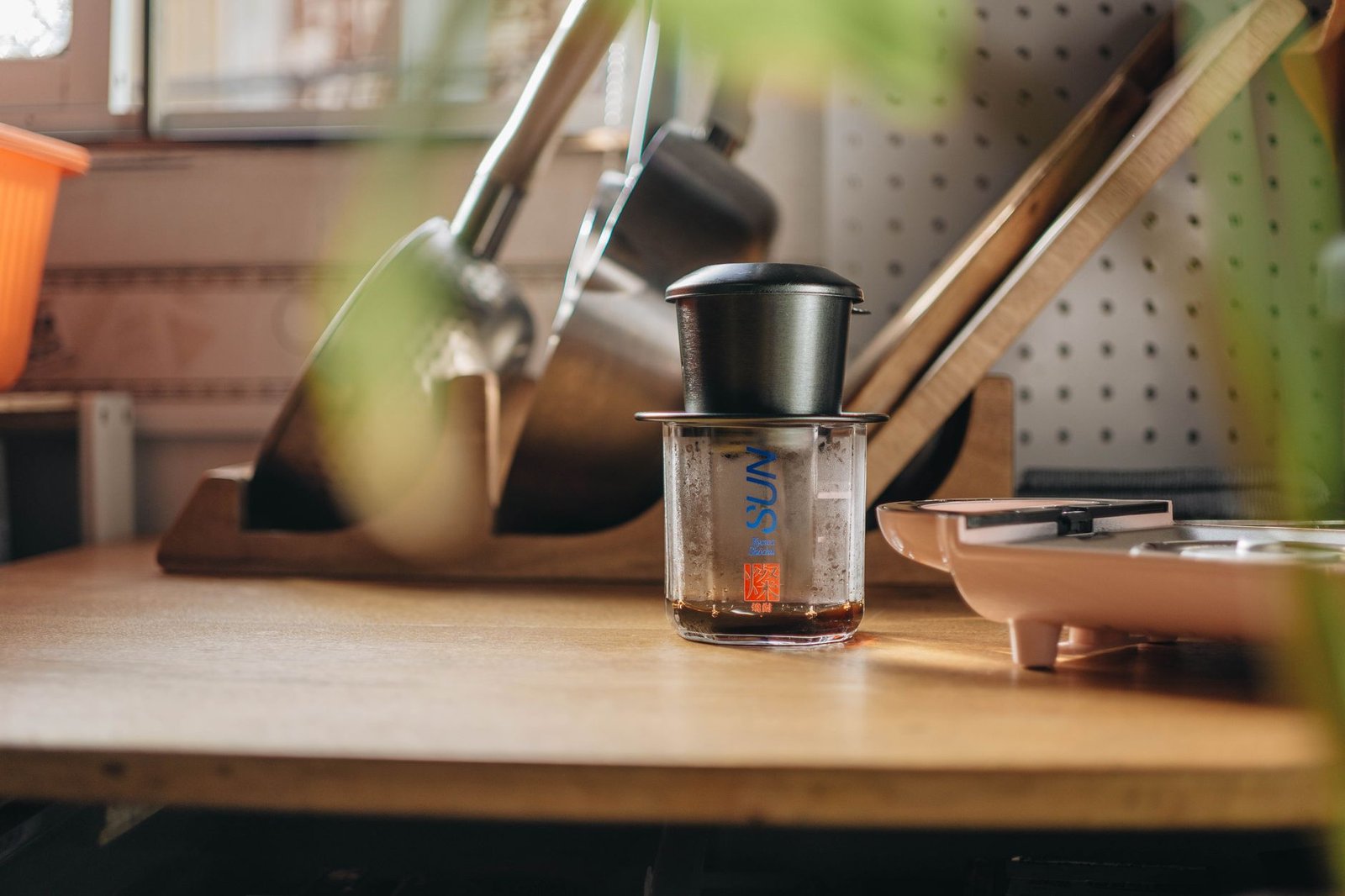
How do you descale a coffee maker? Fill the reservoir with a 1:1 mix of white vinegar and water (or a descaling solution), run half a brew cycle, pause 15-30 minutes, finish the cycle, then run two to three full cycles of plain water to rinse. Do this every 4-12 weeks depending on how hard your water is.
Why descaling matters
Every time your machine heats water, minerals – mostly calcium and magnesium – are left behind as scale. That scale insulates the heating element so water no longer reaches the ideal 195-205°F brew range, which makes coffee weak, sour, or lukewarm. It also narrows the pipes, causing the slow, sputtering brews people mistake for a dying machine. Descaling reverses all of it, and it is the single biggest thing you can do for better-tasting coffee and a longer-lasting machine.
How often should you descale?
Frequency depends almost entirely on your water hardness. Use this as your guide, or simply follow the descale light if your machine has one.
| Water hardness | Descale every | Sign it’s overdue |
|---|---|---|
| Soft water | 3 months | Slower brew, faint scale |
| Medium | 6-8 weeks | Longer cycles, more noise |
| Hard water | 2-4 weeks | Sputtering, flaky white deposits |
| Any (with a descale light) | When the light comes on | Light stays on |
What you’ll need
- White vinegar, citric acid, or a commercial descaler
- Fresh water for rinsing
- Your machine’s carafe or a large mug
- A cloth for the exterior and reservoir
Check your manual first – a few brands (some pod machines especially) advise against vinegar and specify their own solution.
Step-by-step: descaling a drip coffee maker
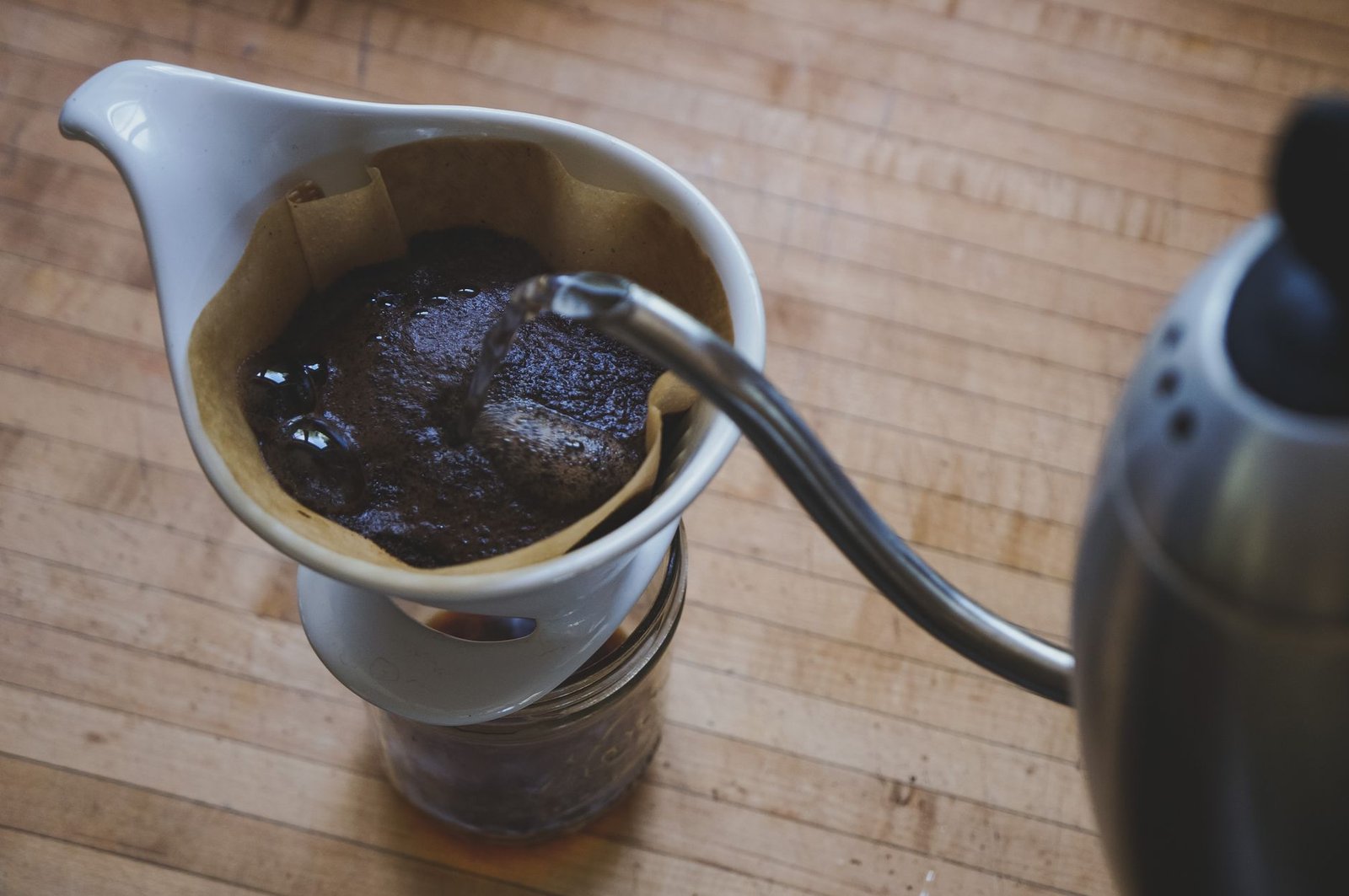
1. Empty and prep. Discard any old grounds, empty the carafe, and remove the filter.
2. Fill with solution. Pour a 1:1 mix of white vinegar and water into the reservoir to its full line.
3. Run a half cycle. Start a brew and let about half run through, then pause the machine.
4. Let it soak. Leave the hot solution in the reservoir and carafe for 15-30 minutes so it dissolves the scale.
5. Finish the cycle. Resume and let the rest run through, then discard the solution.
6. Rinse two to three times. Run full cycles of fresh plain water until there is no vinegar smell or taste. This step is essential.
Which descaler should you use?
All three work; the right one depends on your machine and your nose. Whatever you use, the rinse afterward matters most.
| Descaler | Mix | Notes |
|---|---|---|
| White vinegar | 1:1 vinegar and water | Cheapest; rinse 2-3 times |
| Citric acid | 1-2 tbsp per litre water | Less smell; food-safe |
| Commercial descaler | Per label | Best for pod machines; follow dwell time |
Descaling a Keurig, Nespresso, or pod machine
Pod machines follow the same idea – run descaler through with no pod, soak, then rinse – but most manufacturers specify their own descaling solution rather than vinegar, because vinegar can be harsh on the internal seals over time. Run the machine’s descale mode if it has one, use the brand’s solution, and rinse thoroughly with several water-only cycles. Following the brand’s method also keeps your warranty intact.
Preventing scale between descales
You can slow scale dramatically. Use filtered or bottled water instead of hard tap water, empty and dry the reservoir between uses rather than leaving water standing, and wipe the machine down regularly. In very hard-water areas a small water softener or a machine with a built-in filter cuts descaling frequency from weeks to months.
Common mistakes to avoid
- Skipping the rinse – the fastest way to get vinegar-flavoured coffee.
- Using vinegar in a pod machine that specifies otherwise.
- Leaving scale until the machine sputters – descale on a schedule instead.
- Descaling but never cleaning removable parts, which can still harbour mold.
- Using hard tap water and wondering why scale returns so fast.
- Descale every 4-12 weeks based on water hardness.
- Use 1:1 vinegar-water, citric acid, or a brand descaler.
- Soak 15-30 min, then rinse 2-3 times with plain water.
- Pod machines often need their own solution, not vinegar.
- Filtered water is the best way to slow scale returning.
FAQ
How often should I descale my coffee maker?
Every 4-12 weeks depending on water hardness – monthly for hard water, every three months for soft. If your machine has a descale light, run it when the light appears. Slower brewing, extra noise, or white flakes mean it is overdue.
Can I use vinegar to descale a coffee maker?
Yes. A 1:1 mix of white vinegar and water is the classic, cheapest descaler. Run it through a brew cycle, let it sit briefly, then finish the cycle – and always run two to three plain-water cycles afterward so no vinegar taste lingers.
Is vinegar or descaler better?
Vinegar is cheapest and works well for drip machines; commercial descaler or citric acid is gentler on seals and better for pod machines like Keurig and Nespresso, which some brands specify. Check your manual – a few warn against vinegar.
How do I know if my coffee maker needs descaling?
Tell-tale signs are slower brewing, more sputtering or noise, weaker or bitter coffee, and visible white scale around the reservoir or spout. Many machines add a dedicated descale indicator light.
Will descaling improve the taste of my coffee?
Yes, noticeably. Scale insulates the heating element so water never gets hot enough to extract properly, making coffee weak or sour. Descaling restores full brew temperature and flow, which improves both taste and speed.
Can I descale a Keurig or Nespresso the same way?
The process is similar – run descaler through without a pod, then rinse – but pod machines often specify their own descaling solution rather than vinegar. Follow the brand’s instructions to protect the internal seals and warranty.
How many times should I rinse after descaling?
Run at least two, ideally three, full cycles of fresh plain water after descaling. Keep going until there is no smell or taste of the descaler, because any residue ends up in your next cup.
Does descaling remove mold from a coffee maker?
Descaling removes mineral scale, not mold. For mold or slime, wash the removable parts in warm soapy water (or the dishwasher) and wipe the reservoir; a vinegar cycle helps sanitise, but visible mold needs a proper scrub first.
Sources
Compiled from manufacturer descaling manuals and verified owner guidance. Checked August 22, 2026.
Last updated: August 2026.
Naveen Kumar Durai is the founder of Naveen AI Automation and the editor of TrendifyReview. He writes practical home and kitchen gadget guides from manufacturer documentation, official instructions, and verified owner reports.

