

TL;DR: An air fryer is a small, fast convection oven. Wash the basket, run it empty at 400°F for five minutes to burn off the factory smell, then cook in a single layer with a light spritz of oil. Preheat two to three minutes for frozen and crispy foods, shake the basket halfway, and pull food a few minutes early to check. Master those five habits and you will use it three times a week. Everything else below is detail.
I have watched more people give up on their air fryer than I can count, and it is almost never the machine’s fault. They dump a full bag of fries in, close the drawer, walk away, and end up with a pile of pale, steamy potato. Then the thing goes in a cupboard forever. That is a shame, because an air fryer is genuinely one of the few kitchen gadgets that earns its counter space — if you understand what it actually does. This guide takes you from unboxing to confident everyday cooking, with real temperatures, real times, and the nine mistakes that trip up nearly every beginner. Written for September 2026 and US Fahrenheit settings.
How we assess: this guide is built from manufacturer documentation, official use-and-care instructions, USDA safe-temperature data, and verified owner reports — not staged lab claims. Last updated September 2026.
Key takeaways
- An air fryer crisps food with fast-moving hot air. It does not fry — there is no oil bath.
- The single biggest mistake is overcrowding. Fill the basket two-thirds at most and keep food in one layer.
- A little oil (1–2 teaspoons, brushed or from a refillable pump) is the difference between golden and grey.
- Convert oven recipes by dropping the temperature about 25°F and cutting the time to roughly 80%.
- A $12 instant-read thermometer solves nearly every “is this done?” question — 165°F for poultry, 145°F for fish and pork.
What an air fryer actually is
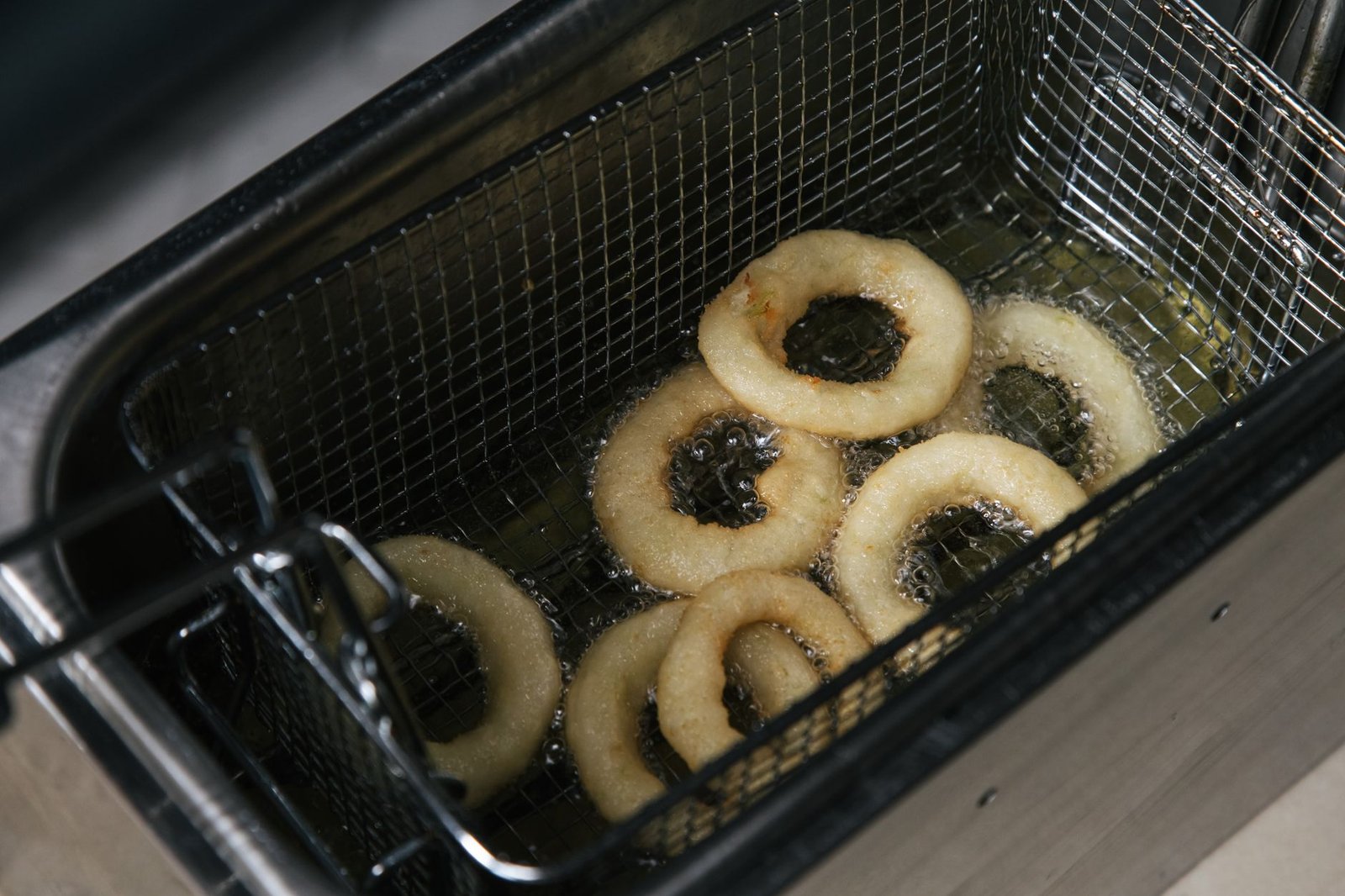
Strip away the marketing and an air fryer is a compact, high-speed convection oven. A heating element sits near the top, a fan right above it, and the fan whips very hot air around a perforated basket at a speed a normal oven cannot match. That fast circulation is what dries the surface of the food and crisps it, mimicking the texture of deep-frying without the oil bath. The name is a bit of a lie — you are roasting and convection-baking, not frying.
Once that clicks, everything gets easier. You stop expecting the machine to do magic and start treating it like the small, ferociously efficient oven it is. It heats fast because the cavity is tiny. It crisps well because the airflow is aggressive and the food sits on a perforated surface so hot air hits every side. And it struggles with the same things a convection oven struggles with: wet batter, loose leaves, and anything too big to let air move around it.
Who this is for
An air fryer is a great fit if you cook for one or two people, want weeknight dinners fast, and reheat a lot of leftovers (it is the best reheater in the kitchen for anything that should be crispy). It is ideal for renters, dorm rooms, small apartments, and anyone who hates preheating a full-size oven for four chicken thighs. If you routinely cook for five people, batch-roast big trays of vegetables, or bake sheet-pan meals, a basket air fryer will frustrate you — you will be cooking in three exhausting rounds. That is the honest line: solo-to-couple cooking, yes; feeding a family in one shot, get a large oven-style model or skip it.
How do you use an air fryer for the first time?
Short answer: Hand-wash the basket and tray in warm soapy water and dry them. Put them back, run the empty air fryer at 400°F for five minutes in a ventilated room to burn off the factory oils and smell, then let it cool. That first burn-off is the step almost everyone skips, and it is why their first batch of fries tastes faintly of new plastic.
After the burn-off, give the machine 5–6 inches of clearance on every side. The hot exhaust vents out the back, and shoving it against a wall or under a cabinet traps that heat and can scorch your cabinetry over time. Do not put it directly under upper cabinets without that gap. Keep it off anything flammable, and never line the bottom drawer with foil before preheating with nothing on top — loose foil can lift into the element.
Should you preheat an air fryer?
Sometimes. This is where a lot of guides get lazy and just say “always preheat,” which is not true. Preheating for two to three minutes genuinely helps with frozen foods and anything you want extra crispy — fries, wings, nuggets — because the food hits a hot surface immediately and starts crisping instead of slowly warming. For a chicken breast or a tray of vegetables that cook for 15 to 20 minutes anyway, the preheat barely matters. My rule: preheat for short-cook, crispy, or frozen items; don’t bother for longer roasts. [ADD YOUR EXPERIENCE: note here whether your specific model runs hot or slow, and how long its preheat actually takes.]
The temperature and time cheat sheet
Here is the at-a-glance table I wish someone had handed me on day one. These are starting points for a standard basket air fryer — check food a couple of minutes early, because wattage and basket size vary. Internal temperatures are the USDA safe minimums, and they are non-negotiable for meat.
| Food | Temp | Time | Notes |
|---|---|---|---|
| Frozen fries | 400°F | 12–16 min | Shake halfway, single layer |
| Fresh-cut fries | 380°F | 12–15 min | Soak 20 min first, shake twice |
| Frozen nuggets | 400°F | 8–10 min | No thawing needed |
| Fish sticks (frozen) | 400°F | 8–10 min | Flip once |
| Chicken wings | 380°F | 20–25 min | 165°F internal, shake 2–3× |
| Chicken breast (6 oz) | 375°F | 18–22 min | 165°F internal, flip once |
| Bacon (thick cut) | 350°F | 8–10 min | Empty grease tray to avoid smoke |
| Salmon fillet (6 oz) | 400°F | 10–14 min | 145°F internal |
| Brussels sprouts (halved) | 375°F | 12–15 min | Shake halfway |
| Broccoli florets | 375°F | 7–10 min | Toss in oil so it doesn’t dry out |
| Asparagus | 400°F | 7–10 min | Single layer |
| Reheat leftover pizza | 350°F | 3–4 min | Crust crisps, cheese re-melts |
The nine beginner mistakes, with fixes
This is the part that matters. Here is where beginners go wrong, and my blunt verdict on each.
1. Overcrowding the basket. Fill it two-thirds full at most, in a single layer, with gaps between pieces. Pile it high and the air cannot circulate, so food steams instead of crisping. Verdict: this is the number-one killer of good results. Cook two smaller batches and thank yourself.
2. Using no oil at all. The “zero oil” fantasy is why so much air-fried food comes out dry and dull. A teaspoon or two, brushed on or misted from a refillable pump, gives you browning and helps seasoning stick. Verdict: skip oil only on naturally fatty foods like wings and bacon; everything else wants a light coat.
3. Aerosol cooking spray on the basket. Those propellant sprays strip non-stick coating shockingly fast. Use a refillable oil mister or a brush. Verdict: this quietly wrecks baskets — avoid it entirely.
4. Never shaking or flipping. Small food (fries, sprouts, nuggets) needs a shake halfway. Larger cuts need a flip. Otherwise the down-facing side goes pale. Verdict: a ten-second shake is the cheapest upgrade to your food there is.
5. Guessing doneness. Color is not doneness. Chicken can look perfect and be raw inside. Verdict: buy an instant-read thermometer — 165°F poultry, 145°F fish and pork — and stop guessing.
6. Trusting oven times. Air fryers run hotter and faster. Drop about 25°F and cut the time to roughly 80% of the oven version, then check early. Verdict: your first few cooks will finish sooner than you expect; check, don’t assume.
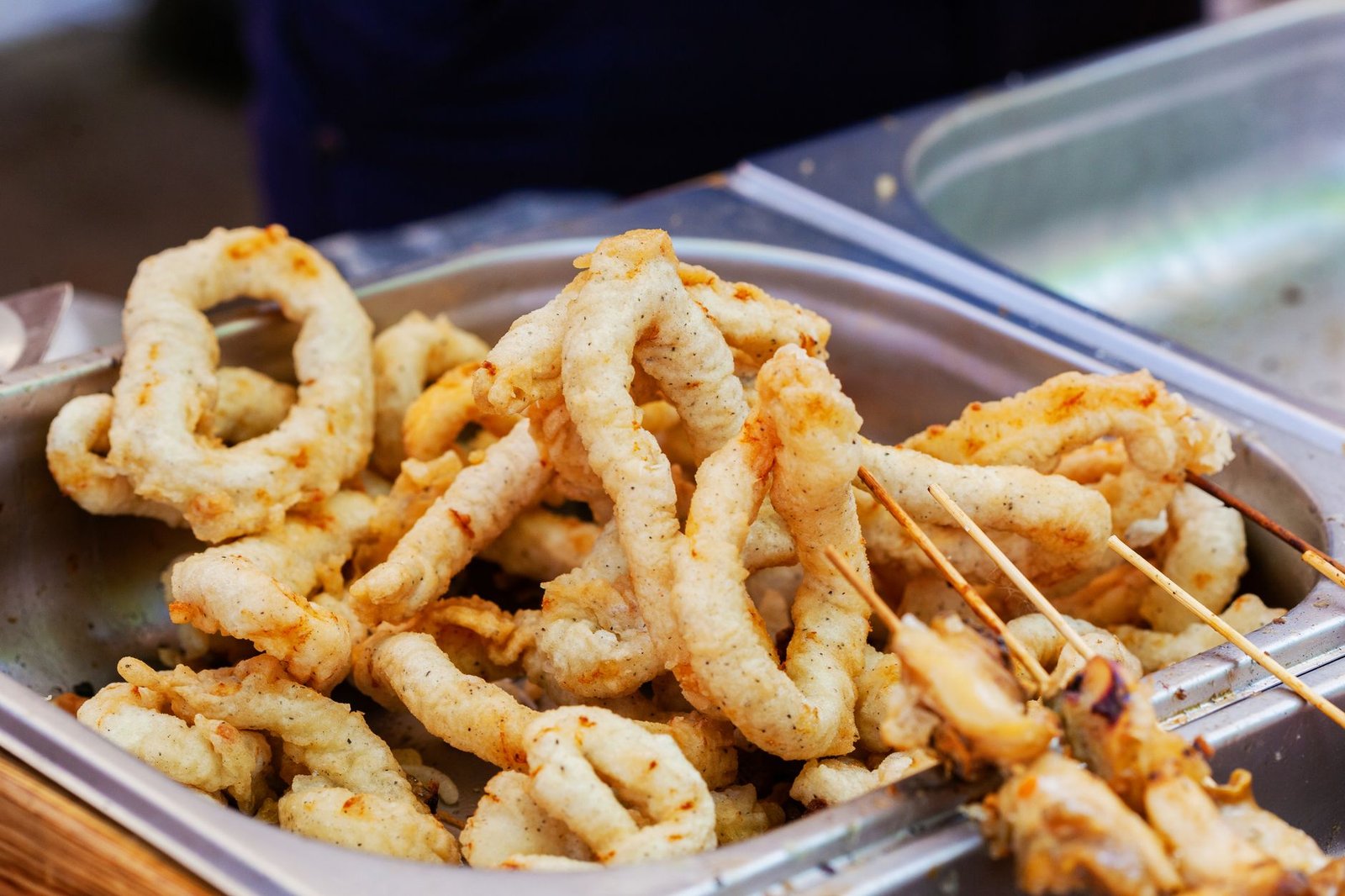
7. Cooking wet-battered food. A liquid beer batter drips straight through the basket and makes a mess. You need a dry, set coating — flour, egg wash, breadcrumbs. Verdict: air fryers love breaded, not battered. Adjust the recipe or use a different appliance.
8. Loose leafy greens and light foods. Raw spinach and kale get blown around by the fan and can hit the element. Weigh them down or skip them. Verdict: fine for kale chips if you toss them in oil so they cling; otherwise not worth the risk.
9. Never cleaning the grease tray. Fat pools under the basket, and on the next high-heat cook it smokes. Verdict: a two-minute wipe after fatty foods prevents almost every “why is my air fryer smoking?” panic.
What no one else tells you about air fryers
Here is the contrarian stuff the manufacturer pamphlets and half the blogs won’t say out loud.
The stated capacity is a fantasy. A “6-quart” air fryer does not cook six quarts of food well. That number is the raw basket volume, not the amount you can spread in a single layer. In practice you get one good layer — maybe two chicken breasts, or fries for two. Buy for the layer size, not the quart number, and mentally halve whatever the box claims.
Preheating is oversold. Manufacturers love telling you to preheat because it makes their timing charts look accurate, but for anything cooking longer than about 12 minutes it makes almost no difference to the final result and just burns electricity. Preheat for crisp-critical short cooks; ignore it otherwise.
Parchment can hurt more than help. Those pre-cut perforated parchment rounds are handy for sticky foods, but if you put one in an empty machine during preheat, the fan lifts it into the heating element — a genuine fire risk. And if it covers too many holes, it kills the airflow that makes the thing work. Use parchment only with food weighing it down, and only when you actually need it.
The “healthier” claim is real but oversold. Yes, you use far less oil than deep-frying, so air-fried food is lower in fat. But an air fryer does not make junk food health food, and reheated frozen nuggets are still frozen nuggets. It is a texture and convenience machine first, a health machine a distant second. [ADD YOUR EXPERIENCE: mention a dish where the air fryer genuinely changed how you eat — roasted chickpeas, crispy tofu, whatever earned its keep for you.]
Air fryer vs oven vs microwave vs deep fryer
People ask which appliance to reach for. Here is the honest comparison.
| Job | Air fryer | Oven | Microwave | Deep fryer |
|---|---|---|---|---|
| Crisping small batches | Best | Slow | No | Great, messy |
| Reheating leftovers crisp | Best | Good | Soggy | Overkill |
| Cooking for 4+ | Poor | Best | No | Poor |
| Speed / preheat | Fast | Slow | Instant | Slow heat-up |
| Cleanup | Easy | Medium | Easy | Awful |
The takeaway: the air fryer wins decisively at small-batch crisping and reheating, loses badly at volume, and lives happily alongside a microwave rather than replacing it. If you are still shopping, our guide on how to choose an air fryer walks through basket vs oven styles, and the best air fryers under $150 covers models I would actually recommend, including the COSORI TurboBlaze.

How do you clean an air fryer?
Let it cool, then pull out the basket and any tray. Most are non-stick and dishwasher safe, but hand-washing in warm soapy water with a soft sponge keeps the coating alive far longer — dishwasher detergent is harsh. For stuck-on gunk, soak for ten minutes first; never scrape with metal. Wipe the heating element (gently, when cold) if grease has splattered up, and wipe out the main cavity. Do this after every cook for fatty foods, and every few cooks otherwise. My full step-by-step is in the air fryer cleaning guide, including the baking-soda paste trick for baked-on residue.
Who should get an air fryer — and who should skip it
Buy one if you: cook for one or two, want fast weeknight food, reheat a lot of takeout and want it crispy again, live somewhere small, or hate firing up a big oven for a little food. Best for: solo cooks, couples, students, and anyone whose oven is old and slow.
Skip it if you: regularly cook for a family of four or more in one go, mostly make soups, stews, and one-pot meals, have zero spare counter space, or were expecting it to deep-fry. Best avoided by: batch cooks and big families who would just get frustrated by the basket size.
The honest limits
I like air fryers, but let me be straight about where they fall down. Capacity is the real one — you will cook in batches more than the box implies. They can be loud; the fan is not quiet. Cheaper models have hot spots and vague temperature accuracy, so that instant-read thermometer is not optional. The non-stick baskets do wear out over a few years of hard use. And they will not replace your oven for anything you bake in volume or roast whole. Go in knowing all that and you will love yours. Expect it to do everything and you will be the next person shoving it in a cupboard.
The verdict, in one line: An air fryer is a small, fast convection oven that pays for itself the moment you stop overcrowding it and start using a thermometer.
Frequently asked questions
Do you need to preheat an air fryer?
Not always. Preheat two to three minutes for frozen foods and anything you want extra crispy, like fries and wings. For longer cooks such as chicken breast or roasted vegetables, preheating makes little difference and you can skip it.
How much oil do you use in an air fryer?
One to two teaspoons for most foods, brushed on or misted from a refillable pump. Naturally fatty foods like chicken wings and bacon need none. Avoid aerosol cooking sprays — they damage the non-stick coating.
Can you put aluminum foil or parchment paper in an air fryer?
Yes, but only with food weighing it down, and never covering all the holes or the airflow dies. Do not preheat with loose foil or parchment inside — the fan can lift it into the heating element, which is a fire risk.
Why is my air fryer food not crispy?
Almost always overcrowding or no oil. Cook in a single layer with gaps, add a light coat of oil, shake the basket halfway, and make sure you are cooking hot enough — 380°F to 400°F for most crispy foods.
What foods should you not cook in an air fryer?
Wet-battered foods (the batter drips through), loose leafy greens (they blow around and can hit the element), and very large roasts (they cook unevenly). Cheese without a coating and light dry rice also cause problems.
How do you clean an air fryer?
Cool it down, remove the basket and tray, and hand-wash in warm soapy water with a soft sponge. Soak stuck-on residue for ten minutes rather than scraping. Wipe the cavity and cooled element. Clean after every fatty cook to prevent smoking.
Do air fryers use a lot of electricity?
No. Because the cavity is small and cook times are short, an air fryer usually uses less energy than heating a full-size oven for the same food, even though its wattage looks high on paper.
What temperature should an air fryer be for most foods?
Between 350°F and 400°F covers the vast majority of cooking. Use 400°F for crisp frozen foods and fries, 375–380°F for chicken and vegetables, and 350°F for bacon and reheating so the fat does not smoke.
Is the smoke from my air fryer dangerous?
Usually it is just grease burning off the tray or high-fat food dripping onto the hot element. Stop, let it cool, empty and wipe the drawer, and add a tablespoon of water under the basket for very fatty foods. Persistent smoke with no food inside means it needs a deeper clean.
Can you cook raw meat in an air fryer?
Absolutely, and it does it well. Just verify doneness with an instant-read thermometer: 165°F for chicken and turkey, 145°F for pork, fish, and whole cuts of beef, with a three-minute rest. Color alone is not a safe test.
About the author — Naveen Kumar Durai
I test and research home and kitchen gadgets for TrendifyReview, and I have no patience for appliances that overpromise. My goal is simple: tell you what a thing actually does so you use it more and regret it less. See how we work on our How We Review page.

